How Noise Cancellation Works and Why You Need It
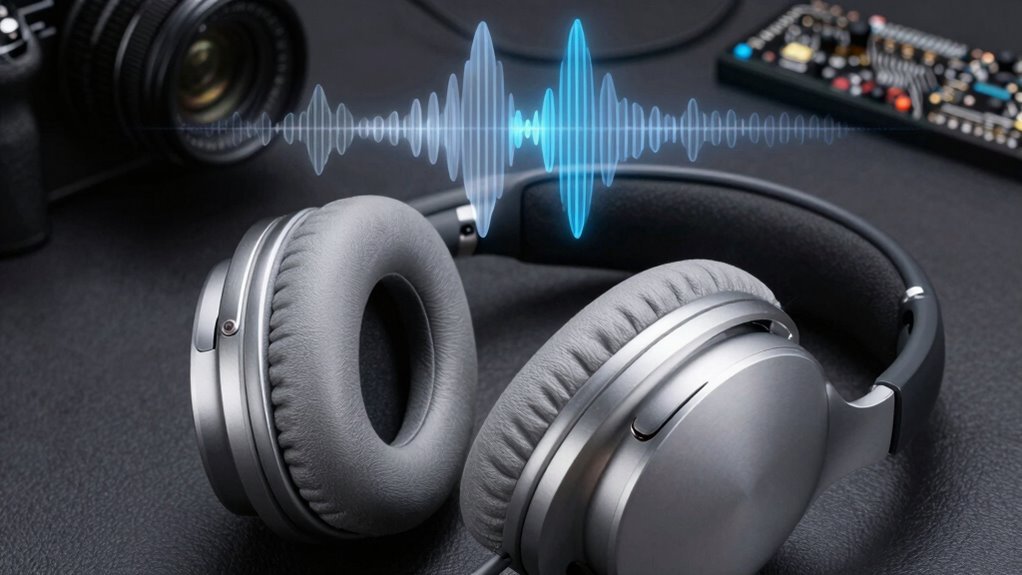
You’re surrounded by noise, but your headphones fight back by flipping sound waves upside down—like sending a peak to crash into a trough and cancel it out. They block chatter with comfy padding or smart tech that nukes low hums, so you hear music, not mayhem. Whether you’re working, commuting, or just craving quiet, noise cancellation gives your ears a break—and trust me, the best part? There’s a whole world of quiet cleverness waiting to surprise you.
The Science Behind Sound Wave Interference
Ever wonder how two sounds can meet and just… vanish? Well, they don’t actually disappear—they cancel each other out through a neat trick called interference. When waves overlap, you add them up, point by point—thanks to something called superposition.
If a peak meets a trough of the same size, bam! They cancel, like high-fiving your sibling in mid-air and both falling quiet. That’s destructive interference.
But if peaks line up? Boom—louder sound. That’s constructive.
The magic depends on timing, distance, and phase.
You see this in real life—think stereo speakers or echoes in your shower.
Waves from different paths arrive at your ear slightly out of sync, creating spots where sound fades or swells.
And no, your ears aren’t broken—physics is just having too much fun.
Noise-cancelling headphones use inverted-phase sound to achieve silence where noise once roared.
Passive vs. Active Noise Cancellation Explained
How do your headphones actually silence the world around you?
Well, it’s either through passive or active noise cancellation—and yes, it matters.
Passive blocking uses snug earcups and thick padding like earplugs for your ears, cutting mid- to high-frequency sounds like chatter or clatter by 15–30dB.
No batteries needed—just physics doing its quiet thing.
Active cancellation, though, fights noise with sound: tiny mics grab incoming rumbles (like plane engines), then your headphones blast “anti-noise” to cancel it out—perfect for low hums, up to 60dB!
But it needs power, costs more, and sometimes hisses like a sleepy snake.
Passive’s simpler, cheaper, and always ready; active’s smarter but pickier.
Custom-fitted designs distribute pressure more evenly, enhancing both comfort and passive noise isolation.
Want real quiet? The best headsets mix both, giving you peace in almost any mess.
Your ears will thank you—honestly, they’re already whispering, “Yes, please!”
Inside the Technology: How ANC Processes Noise

You already know passive blocking keeps the noise out with good seals and cushy padding, while active noise cancellation fights sound with sound—but what’s actually happening under the hood?
Tiny mics on your earbuds or headphones grab incoming noise before it reaches your ear.
Some mics listen outside (feedforward), others check what’s still sneaking through (feedback)—together, they’ve got your back.
That noise info zips to a smart chip, which flips the sound waves upside down—like sending a rogue wave to cancel a wave at the beach.
The anti-noise blasts through your speakers, meeting the bad vibes halfway and knocking them out.
All this happens in milliseconds, faster than you can say “quiet please.”
It’s not magic—it’s math, mics, and a little mischief, working together so you can finally hear your podcast over the airplane’s drone.
ANC excels at reducing low-frequency sounds like engine hums and air conditioning drones.
Smart Features That Enhance Your Listening Experience
While you’re busy living your life, your headphones are hard at work behind the scenes, getting smarter all the time. They adapt, listen, and learn—just for you.
| Smart Trick | What It Does |
|---|---|
| Adaptive ANC | Adjusts noise cancellation as you move from street to subway |
| Voice Focus | Makes chat easier by boosting speech, not the wind |
| Personal Tuning | Checks your fit and tweaks sound so nothing leaks |
| Smart Transparency | Lets in sirens or announcements—because safety first |
| Location Mode | Knows when you’re on a plane and switches profiles automatically |
Your headphones don’t just play music, they *get* you. They use sensors, smarts, and a dash of magic (okay, science) to deliver the right sound, right when you need it—no fuss, no buttons, just perfect audio that keeps up with your life. Pretty cool, huh?
Real-World Applications and Benefits of Noise Cancellation

Your headphones are doing way more than just pumping out your favorite tunes—they’re quietly changing the game in places you mightn’t expect.
In factories and construction sites, noise-cancelling gear protects workers’ hearing, cuts accidents, and boosts communication—so yeah, it’s kind of a big deal.
You’re not just saving ears; you’re saving lives.
In call centers and home offices, smart ANC and AI filters wipe out background chatter—imagine your dog barking, the neighbor mowing, or your roommate’s intense air guitar session—so your boss only hears you, clear and crisp.
Even your nightly commute or playlist gets an upgrade: ANC lets you turn down the volume but still catch every beat, reducing ear fatigue and long-term damage.
With tech that slashes noise by up to 40 dB and market growth booming, one thing’s clear: quiet has never been this powerful—or this cool.
Frequently Asked Questions
Does Noise Cancellation Work on Voices?
Nope, noise cancellation doesn’t work great on voices—sorry, chatty coworkers!
ANC’s best at blocking steady rumbles like planes or AC, not your buddy’s mid-range gossip.
But hey, some smart tech with mics and AI can help isolate your voice and mute others slightly.
It’s not magic (yet), but newer headphones do a decent job helping you sound clear, even in noisy spots.
Pretty cool, right?
Can ANC Damage Hearing Over Time?
No, ANC won’t damage your hearing—phew!
It actually protects it by letting you turn down the volume, especially on noisy commutes.
You’re not blasting music to beat background ruckus, so your ears get a break.
But, heads up: using it *all* the time might make your brain a bit lazy at processing sounds.
Balance is key—rock ANC when you need it, but let your ears hear life’s messy soundtrack too.
How Does ANC Affect Battery Life?
ANC drains your battery faster because it’s always listening and fighting noise with tiny sound waves.
You’re basically running a mini concert inside your ears, and that takes power.
Turn it off when you’re in quiet spots, keep the volume chill, and you’ll stretch that juice.
Think of it like driving—cruise control saves gas, right?
Same idea.
Is Noise Cancellation Safe for Kids?
Yes, noise cancellation is safe for kids when you use it right.
You’re giving them clearer sound without cranking the volume, which protects their ears.
Just don’t let them wear it while biking or crossing streets—safety first!
Pick kid-sized fits with volume limits, and you’ll dodge hearing damage.
Think of it like superhero ear armor: quieting chaos so they can focus, learn, and groove—safely.
Sweet deal, huh?
Do I Need ANC for Office Use?
You don’t *need* ANC for the office, but it’s like having a secret weapon against distractions.
You’ll still hear chatter, yeah, but the drone of AC? Gone.
Pair it with good seals and maybe some chill tunes or white noise, and boom—you’re in the zone.
Just don’t blame me if your coworkers start waving to get your attention.
Safety and sanity? Both covered.
Mostly.
Conclusion
You’re not just blocking noise—you’re tossing chaos a life jacket and watching it float away. With noise cancellation, your ears throw a private party, every time. Whether you’re dodging chatter, traffic, or a snoring seatmate, it’s like magic for your mind. Crank up the tunes, focus, or just breathe—peace isn’t a vacation, it’s a pair of headphones away. Sweet, huh?