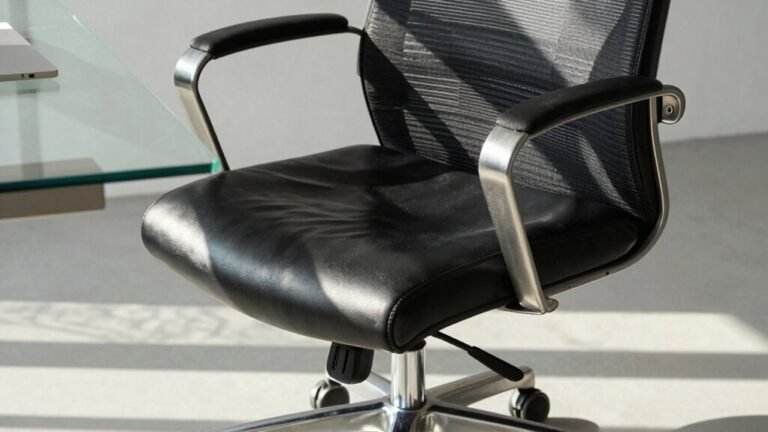
Leather vs. Mesh Chairs: Pros and Cons
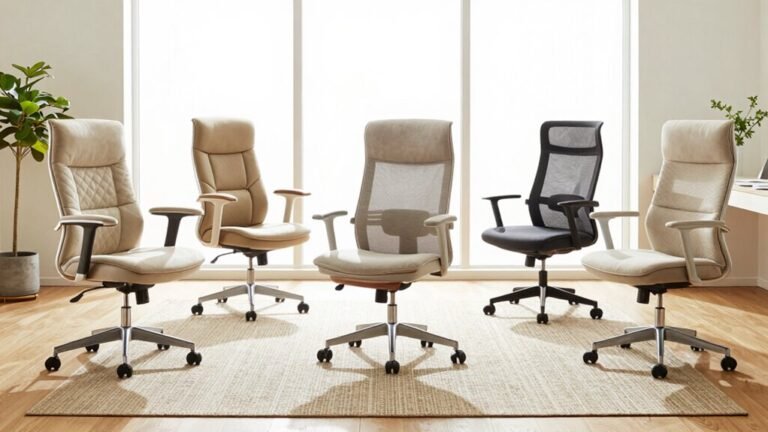
You stay cooler in mesh—it breathes like a fan on high, keeping sweat at bay, while leather can get sticky-fast in heat. Mesh hugs your back with flexible support, great for long workdays; leather? Sleek and classy, but less forgiving. You’ll love mesh for comfort, leather for looks. Both need care, but in different ways. Wondering which one truly wins for your workspace vibe and daily grind? There’s more where that came from.
Breathability and Temperature Regulation
Staying cool while you work isn’t just about comfort—it’s about survival in the sweltering battlefield of back sweat and sticky seats.
You feel it: leather traps heat like a parked car in July, hitting a sticky 89°F, while mesh keeps things breezy at a crisp 82°F.
Its open weave lets air flow freely, so you stay dry and comfortable, even during marathon work sessions.
Lab tests prove you run 2–4°C cooler in mesh, and a 2023 study found people feel 35% less heat discomfort.
Perforated leather tries hard with tiny vents, but it’s no match—still too hot, still too clingy.
Mesh wicks sweat fast and dries quickly, while leather demands constant wiping and degrades over time.
In humid weather or weak AC, mesh doesn’t just win—it saves your back.
You’re not just sitting; you’re respiring in style, one cool breath at a time.
Ergonomic benefits like built-in lumbar support enhance long-term comfort and posture in mesh chairs.
Comfort and Back Support Features
You just escaped the sauna-like grip of a leather seat, so now let’s talk about what really keeps you going all day—how well your chair has your back, literally.
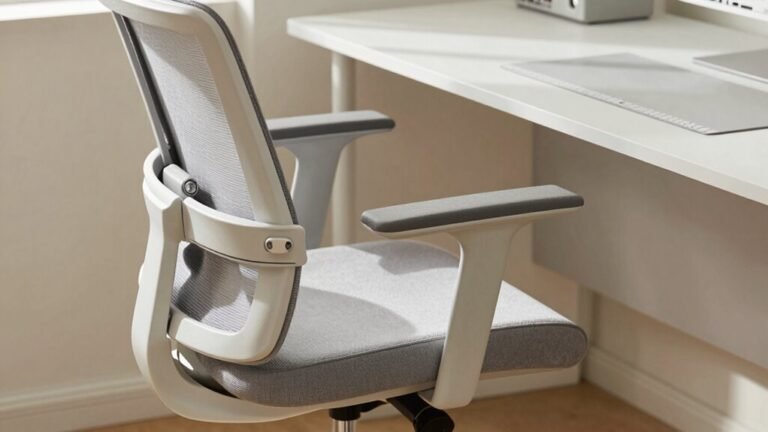
Mesh chairs often win with adjustable lumbar support and flexible frames that move with you, keeping your spine in its natural S-curve. They let you tweak the tension so you’re not stuck stiff—or slumped.
Leather seats feel plush at first, thanks to soft foam that molds to your shape, but over time it can flatten out, leaving you with less support.
Plus, many don’t let you fine-tune the lower back support. But hey, a well-placed lumbar pillow can save the day for either type!
Mesh spreads pressure evenly, while good-quality leather cushions offer cozy contouring.
Either way, go for adjustable features—you’ll sit smarter, not harder.
Even pressure distribution helps reduce strain during long sitting sessions.
Long-Term Durability Comparison

A well-built chair’s gotta last, and when it comes to the long haul, mesh and leather each bring their own brand of toughness.
If you pick high-end mesh, you’re getting a champ—it handles 100,000 cycles, resists sagging, and keeps its shape like it’s built for a marathon.
Lower-quality mesh? Yeah, it might start slumping like it’s ready for a nap after a few years.
Leather’s a different beast—genuine hides age like fine wine, lasting 8–10 years or more with love, while bonded or faux versions crack under pressure, literally.
Leather needs more babysitting, but it can outlast mesh if you treat it right.
Mesh wins early durability rounds; leather fights longer with care.
Both depend on quality—skimp now, cry later.
High-quality materials directly influence long-term performance and user well-being, making the choice of durable chair material critical for sustained comfort and cost-effectiveness.
Maintenance and Cleaning Requirements
Ever wonder why some chairs just stay looking sharp while others start to sag and stain after a few months?
It’s all about upkeep!
With leather, wipe it weekly using a microfiber cloth—don’t skip the seams—and vacuum gently to avoid scratches.
Spills?
Blot fast, then clean with mild soap.
Every 6–12 months, condition it to keep it from drying out; too much, though, and you’ll wind up with a greasy seat.
Mesh chairs are simpler: just vacuum with a soft brush or dust with a dry cloth weekly.
It keeps airflow clear and gunk at bay.
For stains, a gentle scrub with mild detergent works wonders on both materials.
You’re not just cleaning—you’re protecting your upgrade.
A little effort goes a long way in keeping your chair looking like it just rolled off the showroom floor.
Who knew seat care could feel this satisfying?
Aesthetic Appeal and Design Flexibility

Keeping your chair looking sharp isn’t just about cleaning—it’s also about making a statement.
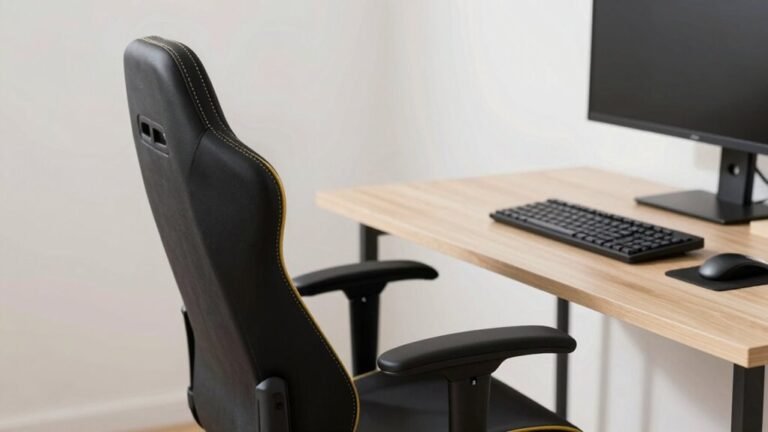
You want your workspace to reflect *you*, and leather chairs deliver that classic, boardroom-ready vibe with smooth finishes and rich tones that scream “I mean business.”
They bring old-school charm with modern flair, especially in sleek perforated styles or bold colors that elevate any office.
Plus, you’ve got tons of designs to match your taste—elegant, bold, or totally custom.
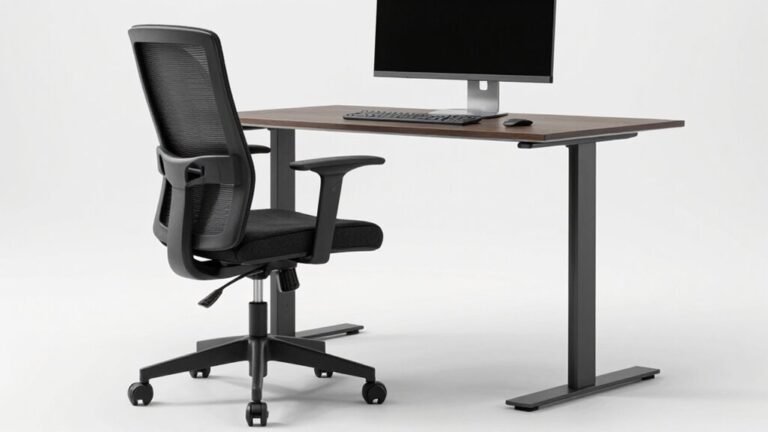
On the flip side, mesh leans into clean, techy minimalism, perfect if your office feels more startup-chic than corner-suite.
It’s sleek, functional, and screams efficiency.
Sure, you’re stuck mostly with black or gray, but hey, not everyone needs a fashion show—some just want a no-fuss, sharp-looking workspace that works as hard as they do.
Price Range and Overall Value
So, how much should you really spend on a chair? Well, it depends what you want in return.
Mesh chairs are kinder to your wallet—most quality ones run $200 to $300, and basic models cost way less than fancy leather seats.
They’re smart picks for startups or anyone watching their budget.
But here’s the catch: mesh may sag over time, lasting 5–8 years, so you might replace it sooner.
Leather? Now that’s a splurge.
Prices climb into the thousands thanks to real leather and craftsmanship.
Yet, it’s a champ—lasting 8–10 years or more, supporting heavy use, and aging like fine wine.
Sure, you pay more upfront, but you get durability that pays off.
If you’re after long-term value, leather’s worth the investment.
For short-term savings, mesh’s your buddy.
Your call—save now or save later?
Performance in Hot Climates

Staying cool when the temperature climbs isn’t just about cranking up the fan—it’s about what you’re sitting on.
You’ll love how mesh chairs let air move freely, so you’re not stuck to your seat like a grilled cheese sandwich.
Their open weave fights heat, dries sweat fast, and keeps you comfy during long, steamy days.
Leather? Not so much.
It traps heat and makes you sweat more, turning your chair into a sticky sauna.
Even perforated leather can’t keep up.
In humid climates, mesh wins by helping you stay dry and focused.
Leather might feel fancy, but in the heat, it’s a sweat trap that degrades over time.
You’ll feel the difference: mesh breathes with you, while leather weighs you down.
For hot offices or sun-soaked rooms, mesh isn’t just smart—it’s a cool, cooling relief your back will thank you for.
Ergonomic Benefits for Office Use
You’ve already seen how mesh keeps you cool when the thermostat spikes, but now let’s talk about what really matters during back-to-back meetings and marathon work sessions—how your chair supports you.
Mesh chairs often hug your spine just right, thanks to flexible backs that match your natural curve and adjustable lumbar settings—perfect for tuning that “just right” feel.
Leather ones offer firmer, localized support with padded cushions, great if they’re well-positioned.
You’ll love how quality mesh spreads pressure evenly, keeping your back and legs happy, while dense foam in leather seats can feel stiff or squish out over time.
Breathing matters too—mesh wins with airflow that helps you stay focused, not fidgety.
And let’s be real: nobody wants a sweaty back during a big presentation.
With the right fit, both work, but mesh makes it easier to stay comfy, supported, and sane all workday long.
Material Lifespan and Wear Resistance

A sturdy chair isn’t just about comfort—it’s a long-term teammate in your workday grind, and how well it stands up to years of use comes down to what it’s made of.
You’ll love leather’s tough side—well-maintained, it lasts 7 to 15 years, with premium types going 20+ like office champions.
It resists stains, punctures, and fading better than most, especially if you give it a little love every 6–12 months.
Genuine leather even handles friction like a pro, outlasting bonded versions by 40%.
Mesh? It’s no slouch—good models last 6 to 12 years, stay supportive, and hate sagging.
But without top-tier quality, it wears faster.
Both need care, but leather thrives with conditioning, while mesh relies on solid frames.
Think of leather as the timeless classic and mesh as the sporty sprinter—both durable, but leather just has more marathons in it.
Suitability for Different Work Environments
Now that you’ve seen how leather and mesh stand the test of time, let’s talk about where they really shine—your workspace vibe.
If you’re sweating through summer days or stuck in a stuffy room, mesh breathes like a cool breeze, keeping you comfy and focused.
Leather? It’s plush and classy but can get sticky-hot unless your office runs like an Arctic spa.
Open offices with lots of bodies? Mesh helps everyone stay chill—literally.
But if you’re wowing clients in a boardroom, leather says “we mean business” with that sleek, executive flair.
Startups and creative hubs go mesh for that modern, laid-back energy.
Need all-day back support at your desk? Mesh wins.
Short meetings and fancy visuals? Leather’s your move.
Hybrid designs? Best of both worlds.
Pick your chair, match your mood, and stay comfy while you crush the workday.
Frequently Asked Questions
Can Mesh Chairs Support Heavy Users Effectively?
Yes, you can absolutely count on mesh chairs to support heavy users—many handle 400 to 550 pounds!
Reinforced frames, heavy-duty bases, and rugged casters keep you steady and safe.
Plus, you get awesome airflow so you don’t feel like you’re sitting in a sauna.
Just pick one built for your weight, and voilà—solid, cool, and comfy support that’s got your back!
Do Leather Chairs Crack in Cold Climates?
Yeah, leather chairs can crack in cold climates if you don’t care for them—think of it like your lips in winter, no chapstick, ouch!
Cold air and indoor heat suck moisture out, leaving leather dry and crispy.
But hey, a little love goes a long way: condition it twice a year, keep it away from radiators, and boom, it’ll stay soft, supple, and drama-free for years!
Are Mesh Chairs Noisy During Movement?
Yes, mesh chairs can get noisy when you move, especially if parts loosen over time.
You’ll often hear squeaks from the frame or swivel as you lean or turn.
But hey, it’s not your chair gossiping—it’s usually fixable!
Tighten screws, lubricate moving parts, and clean casters.
With a little love, your chair stays quiet, comfy, and ready to vibe with your every move—no drama, just smooth, silent support.
Is Leather Sustainable Compared to Synthetic Mesh?
So, is leather really greener than synthetic mesh?
Well, it’s complicated.
You’re getting biodegradable, long-lasting material with less plastic waste, sure—but it’s tied to cattle farming, which means higher emissions.
Mesh skips the animal footprint but sheds microplastics and won’t break down.
You’re choosing between nature’s leftovers and lab-made durability—no perfect pick, just trade-offs you’ve gotta weigh.
Can I Recycle Old Office Chairs Easily?
You can recycle old office chairs, but it’s not always easy—those sleek swivel seats are built with mixed materials that junkyards hate.
Still, don’t just dump them!
You’ve got options: sell, donate, or call recyclers who actually know how to tear them down.
Some companies will even haul them away for free.
Turn that clunky relic into cash or a tax break—your planet (and wallet) will thank you.
Win-win? Absolutely.
Conclusion
You’ve seen the showdown: leather’s lush but lacks breath, mesh maximizes airflow and keeps cool. Both offer support, yet wear differs—leather lasts long, mesh fights sag. Cleaning? Wipe leather, wash mesh. Style-wise, sleek leather or sporty mesh, pick your personality. In hot zones, mesh triumphs, triumphing over sweat. Choose wisely, work happily, sit superbly!