Decluttering Your Workspace: Steps to a Clean Desk
You toss the clutter, sort papers into keep-or-toss piles, and zap old files to the cloud—boom, your desk breathes again. Cables get tucked, supplies find a home, and junk mail meets its end. A clear surface means a clear mind, less stress, and way fewer “where’d I put that?!” meltdowns. You’ll feel sharper, calmer, and weirdly proud of your stapler’s new spot. Oh, and the best tricks? They’re just getting started.
The Impact of Clutter on Productivity and Focus
Even if you’re not aiming for a minimalist masterpiece, a messy desk can quietly sabotage your focus and energy. You’re juggling tasks, but your brain’s stuck processing coffee stains, random papers, and that lone sock (really?).
Clutter overwhelms your visual cortex, making it harder to think straight. Think of it like too many browser tabs open—your brain crashes.
Studies show messy spaces slow your reaction time, muddy your decisions, and tank accuracy. Over 90% of office workers admit clutter kills productivity, and let’s be honest, 54% feel straight-up overwhelmed by it.
Your eyes keep scanning useless stuff, dragging attention from what matters. It’s not laziness—it’s cognitive overload in disguise.
And get this—clutter spikes stress hormones, turning your desk into a silent energy vampire. You wouldn’t host a meeting in a tornado’s aftermath, so why work there? Tidy up, and watch your focus (and mood) bounce back. Clutter’s a sneaky thief—don’t let it steal your groove.
Research confirms that disorganized environments correlate with higher cortisol levels, and this visual clutter forces brain to process unnecessary information.
How a Clean Desk Enhances Mental Well-Being
Ever wonder why you feel instantly calmer walking into a neat room? That same peace hits when you clear your desk.
Clutter weighs on your mind, spiking stress and clouding focus—your brain’s screaming, “Too much!”
But a clean workspace? It’s like hitting a reset button. You breathe easier, think clearer, and suddenly that deadline doesn’t feel like a monster under the bed.
Tidying up cuts mental clutter, lowers cortisol, and gives you a quick mood boost—talk about a free therapy session!
Organizing sparks pride, too. Found your stapler without digging? High five!
Clean spaces = calm nerves, sharper focus, and a happier you.
It’s not just about looks; it’s brain care with bonus points for sanity.
This effect is supported by Cognitive Load Theory, which explains how clutter overloads attention and reduces mental performance.
Presenting a Professional Image Through Organization

Tidying up isn’t just about finding your coffee-stained to-go cup from last Tuesday—it’s about showing the world you’ve got it together, even when your inbox is on fire.
When your desk’s organized, clients notice, and bosses notice—especially since 55% of workers say managers see in-office folks as more hardworking.
A clean space says you’re efficient, focused, and ready to crush your day.
Plus, 91% of people admit they’re more effective when they’re not digging through chaos.
You’re not just impressing others—you’re boosting your credibility.
Eighty-one percent of in-office companies even say organization helps them snag top talent.
So go ahead, line up those pens, file the papers, and let your professionalism shine.
A clutter-free desk isn’t just tidy—it’s your silent wingman in the game of workplace wins.
Even in a hybrid work reality, where many roles blend home and office, presenting a polished workspace signals reliability and discipline.
Improving Health and Safety by Reducing Clutter
You’ve got your pens lined up, your files labeled, and your workspace looking sharp—impressing your boss and clients is great, but here’s the real jackpot: your health and safety get a major upgrade too.
Clearing clutter cuts your risk of tripping—over 125,000 people got hurt from same-level falls in 2020, and messy floors are often to blame.
That tower of papers? It could topple and clock you.
Blocked vents or dusty desk gunk aren’t just gross—they mess with air quality and can make allergies worse.
And surprise: your desk is way dirtier than a toilet seat (yep, really).
All that grime spreads germs fast, especially near shared printers or break rooms.
But when you declutter, cleaning gets easier, air flows better, and you dodge both slips and sniffles.
Fewer accidents, fewer sick days—your body will thank you.
Decluttering isn’t just tidy, it’s a mini wellness plan.
Win-win!
Practical Steps to Physically Declutter Your Workspace

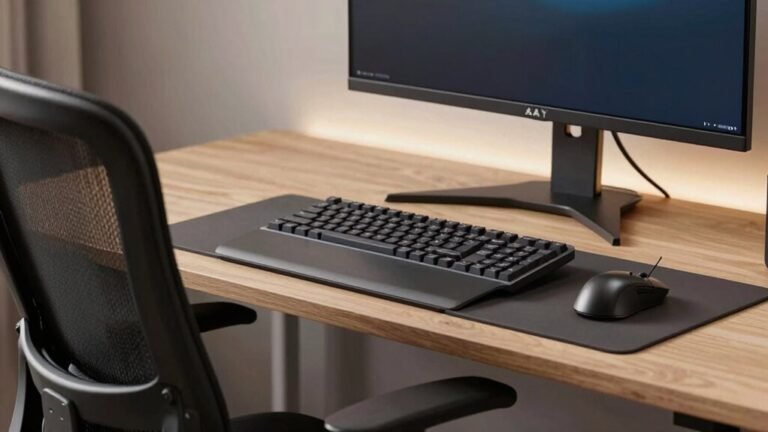
Grab that box and plunge in—your clean desk revolution starts with a fresh sweep. Take everything off your desk and sort as you go: daily tools, weekly must-haves, rare items, trash, and stuff that just doesn’t belong.
Limit what’s out to 10–12 key items—fewer choices mean less stress. Toss uncertain keepsakes into a “maybe” box and promise yourself a 10-minute review later.
Zone your space: work, reference, supplies—each gets a home. Use trays, drawers, and labels like a pro organizer.
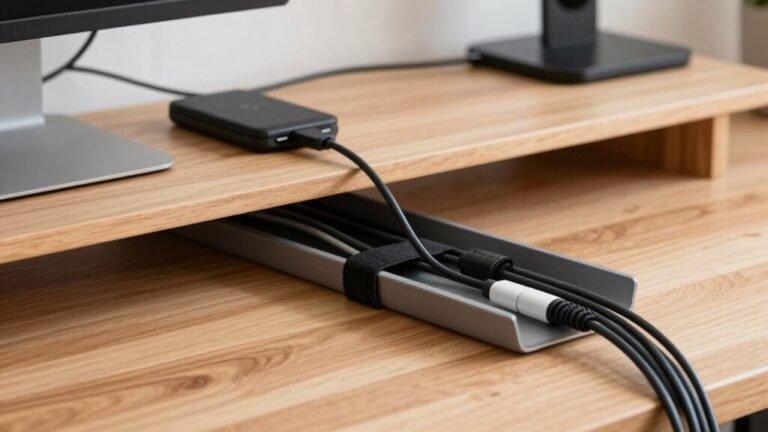
Scan papers, ditch the rest, and tuck gadgets into a hub to slay cable chaos.
Store spares out of sight.
And hey, if your inbox starts wobbling? Block 5-minute clean sweeps—it beats a paper avalanche tomorrow.
You’ve got this!
Maintaining Long-Term Organization With Daily Habits
While perfection might sound nice, staying organized is really about progress, not pristine desks.
You’ve got this!
Just commit to tiny, daily wins—like a 3-minute desktop sweep or sorting downloads into folders.
These micro-habits stop clutter before it spreads, like putting trash in the bin before it overflows (gross, right?).
Try one new habit every couple of weeks—no need to overhaul everything at once.
End each day by prepping tomorrow’s top tasks and open files; your future self will high-five you.
Use time blocks to stay focused, and keep your desk cleared except for daily essentials.
Set calendar nudges for weekly resets—think of it as a spa day for your workspace.
With consistent naming, smart storage, and quick daily checks, you’ll save time, cut stress, and keep the chaos far, far away.
Organization isn’t magic—it’s just habits, hustle, and a little humor.
You’ve totally got this!
Frequently Asked Questions
How Do I Declutter if I’M Sentimental About Items?
You start by honoring your feelings but setting gentle limits—grab a box for keeps, one for let-gos, and snap pics of favorites before releasing them.
Keep one special item, like a memory jar or photo collage.
You’ve got this!
Short bursts help, and hey, no need to save every ticket stub—your future self will thank you.
Sentiment’s sweet, but space rocks too.
Can Decluttering Improve My Sleep Quality?
Yeah, decluttering can seriously boost your sleep quality.
You’re less anxious, your mind quiets down, and your bedroom starts screaming “sleep time” instead of “to-do list!”
Dusty piles? They’re sneaky sleep saboteurs.
Tidy up, and you’ll likely fall asleep faster, wake up less, and feel more refreshed—bonus points if you toss clutter *and* keep your phone out of bed.
Sweet dreams are cleaner than you thought!
Should I Keep Physical Copies of Digital Files?
You don’t need physical copies of everything—going digital is like giving your files wings!
But hey, keep a few key ones on paper, just in case tech throws a tantrum.
Think of it as a backup dance partner.
Print what matters most, like legal docs or sentimental treasures.
That way, you’re ready for anything, and your desk stays as light as a feather!
What’s the Best Way to Store Rarely Used Supplies?
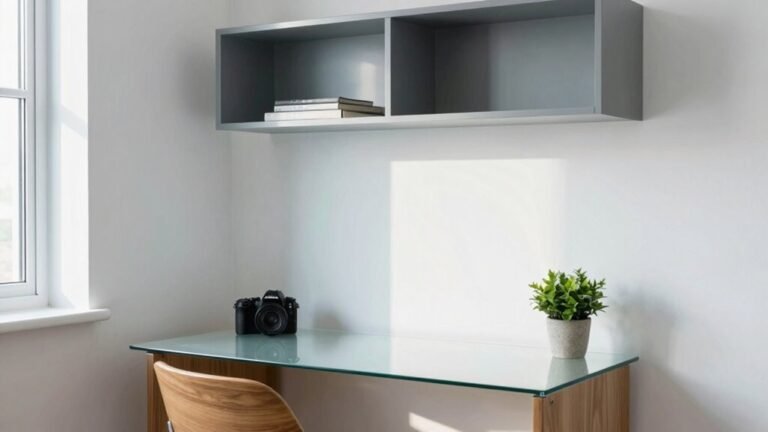
You’ll love how easy it’s to store rarely used supplies—just tuck them into clear, labeled bins on high shelves or under your desk.
Use rolling totes for seasonal stuff, and lock away valuables in secure cabinets.
Go vertical with stackable containers, and don’t forget to tag everything with fun, clear labels.
Add a quick digital checklist, and boom—your clutter’s tamed, your space sings, and you’ll actually enjoy finding that spare battery!
How Can I Involve Coworkers in Keeping Shared Spaces Tidy?
You get your coworkers on board by making tidying quick, fun, and part of the daily rhythm.
Grab a buddy and challenge each other to “5-minute resets” before lunch or after meetings—yes, even the break room ninja mission counts.
Share laughs, not eye rolls, when someone forgets.
Use sticky notes with doodles to say “I wiped it—nice job!”
Teamwork turns messes into high-fives.
Conclusion
You’ve cleared the clutter, boosted your focus, and now your desk’s ready to rock—just like a dial-up modem finally free of paper jams! A tidy workspace sharpens your mind, impresses coworkers, and keeps germs on the run. Stick to quick daily resets, and you’ll stay in charge. Go on, keep that momentum rolling—your future self will high-five you every morning!