Office Chair vs. Dining Chair: Why You Need to Upgrade
You’re stuck in a dining chair all day? No wonder your back’s throwing a tantrum. It’s not built for marathon work sessions—say hello to soreness, brain fog, and energy crashes. But swap it for an office chair with real lumbar support, adjustable arms, and a comfy cushion, and boom: better posture, smoother moves, and way more focus. Your body (and boss) will thank you—and you’ll definitely want to hear what makes the best ones so special.
The Health Risks of Sitting in a Dining Chair All Day
You’re probably not thinking about your spine when you plop down at the kitchen table to work—but you should be.
That cute dining chair? It’s not built for long hours, and your body knows it.
Sitting too long tightens your hips, weakens your glutes, and turns your back into a grumpy mess.
Neck strain creeps in, your spine gets squished, and before you know it, you’re shuffling around like a turtle.
Even your heart’s unhappy—sitting too much raises your risk of heart disease, high blood pressure, and stroke.
Oh, and diabetes risk jumps 7% for every two extra hours.
Yikes.
Your brain’s not loving it either—hello, brain fog and mood dips.
And get this: even if you exercise later, the damage from all that sitting still sneaks up.
Prolonged sitting lowers lipoprotein lipase activity, which means your body struggles to process fat and sugar efficiently.
Who knew a cute chair could be such a sneaky villain?
Time to rethink your work setup—your body will thank you with less pain and more pep!
How Lumbar Support Protects Your Spine
While your dining chair might look great with the table, it’s practically a black hole for lumbar support—and your spine feels every second of it.
But here’s the good news: proper lumbar support hugs your lower back exactly where it needs it, keeping your spine’s natural curve happy and aligned.
That means less pressure on your discs—up to 25% less—and way less strain on muscles and ligaments.
You’re not just sitting; you’re giving your spine a mini bodyguard that stabilizes, supports, and even boosts blood flow for faster recovery.
Without it, your body tenses up, overcompensates, and starts yelling “ouch!” through stiffness or pain.
With it? You sit taller, breathe easier, and stay focused.
Sure, it won’t do your laundry, but it’ll save your back during long work sessions—because who doesn’t want pain-free productivity?
This kind of support works because it maintains the natural lordotic curve, helping your spine stay in its healthiest alignment.
Why Adjustability Matters for Your Body and Workflow

That lumbar support you’ve been loving? It’s just the start—adjustability is where the magic really happens.
When you tweak your seat height, you keep your feet flat and knees cozy at 90°, so your legs stay energized, not numb.
No more tiptoeing or hunching like a question mark!
With seat depth you can actually set, your thighs get love without pressure behind the knees—goodbye, “uh-oh” leg tingles.
Recline smoothly while staying supported, letting your spine chill without slumping.
And armrests? Lift ‘em, slide ‘em, angle ‘em—so your shoulders quit shrugging and your wrists stay happy typing.
These aren’t fussy extras; they’re your daily armor against ache and fatigue.
Plus, changing positions feels natural, not like a workout.
Dining chairs stay stuck—literally—while your office chair moves *with* you, keeping your body and focus sharp all day.
Studies show that workers using ergonomic chairs experience up to 60% reduction in medical visits, thanks to better support and adjustability reducing strain over time.
Now that’s working smarter.
The Hidden Cost of Non-Ergonomic Seating
Ever wonder why your back stages a full-blown protest after a long day at your dining chair “desk”?
That’s not just discomfort—it’s your wallet and productivity crying for help.
Sitting in a non-ergonomic seat fries your focus, slows you down, and ramps up errors, costing you hours and your company real money.
You’re tired, distracted, and likely making dumb mistakes you wouldn’t otherwise.
Health troubles pile on too—back pain, doctor visits, even surgeries—all because your chair lacks support.
And if you’re out sick or quit from the agony, your boss spends thousands replacing you.
Worst part? Skimping on ergonomics can land companies in legal hot water.
That flimsy dining chair might seem fine now, but trust us, the hidden costs are stacking up like unpaid bills—ouch.
Office Chairs: Built for Movement, Not Just Sitting

You’ve heard how that dining chair masquerading as a desk seat can wreck your back and drain your paycheck—now let’s talk about the hero that’s got your back, literally: the office chair.
It’s not just for sitting—it’s built for *moving*, helping you stay comfy and alert all day long.
With smart, responsive features, it keeps up with you, whether you’re leaning in for focus or rocking back in thought.
- Synchronized tilt keeps your back and seat moving together, so your spine stays happy.
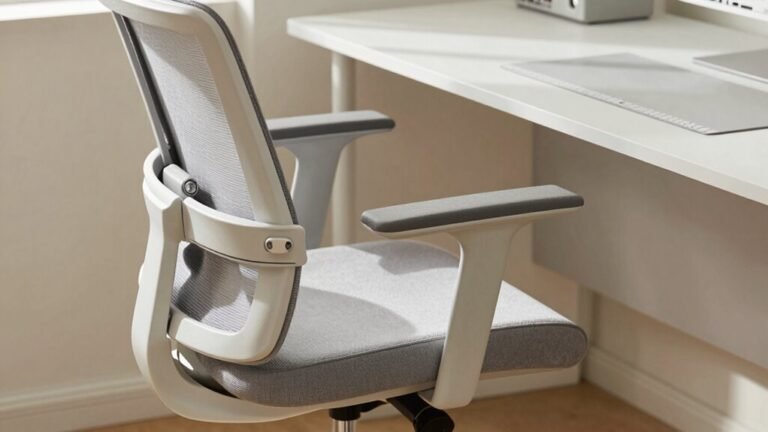
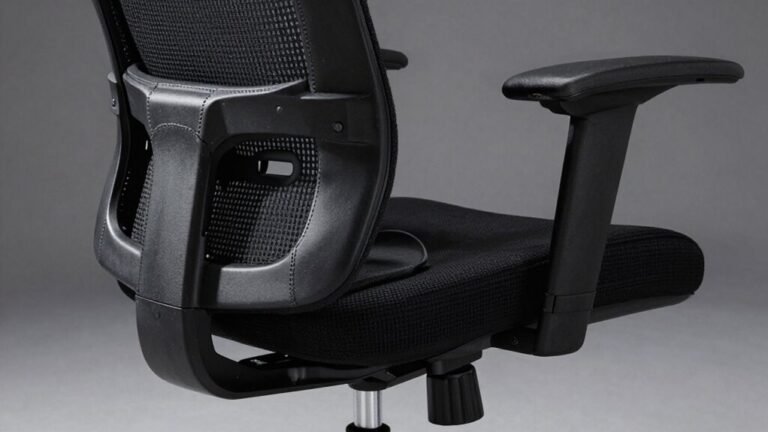
- Adjustable armrests and seat depth let you shift positions easily—no more zombie legs or frozen shoulders.
- Smooth-rolling casters and swivel base mean you can glide to your next task without a single grunt.
It’s like a dance partner for your workday—always in step, never stepping on your toes. Who knew sitting could feel this alive?
Cushioning That Lasts: Support for Long Work Sessions
How does your seat feel after three hours of back-to-back Zoom calls or hammering away at a deadline? If you’re on a dining chair, you’re probably squirming, numb, or already dreaming of a couch.
But here’s the good news: the right cushioning fights fatigue like a pro.
Memory foam feels plush at first, but it can flatten over time—say goodbye to comfort.
Go for high-density foam or gel hybrids instead; they resist sagging and handle your weight (and coffee refills) like champs.
Breathable mesh covers keep things cool and dry, so you’re not sweating more than your presentation.
Contoured designs with cutouts and zoned support spread pressure where you need it most—hello, happy sit bones!
Gel layers? They’re like little bodyguards against hot spots and tingles.
With the right cushion, you’ll stay comfy, supported, and actually want to sit longer—well, at least until lunch.
Boosting Productivity With the Right Seat

- Adjustable features like lumbar support and armrests keep your body happy, so you stay focused instead of fidgeting
- Better circulation from improved posture means fewer zombie-like midday crashes (and less chugging coffee like it’s water)
- Less pain, more gain—your back and brain will thank you with fewer distractions and smoother thinking
You’re not just sitting—you’re gearing up to crush goals.
A real office chair doesn’t just support your spine; it supercharges your workday.
Who knew the secret to acing your job was literally *under your seat*?
Desk Compatibility: Why Chair Height Is Crucial
Ever wonder why your desk setup feels off even when everything looks right?
It’s probably your chair height.
Most desks sit at 29 inches, but if your chair doesn’t match, you’re slouching or hunching without realizing it.
You should sit with your thighs parallel to the floor, feet flat, and knees bent at 90 degrees.
Your elbows need to rest at your sides, forearms level with the desk—perfect for typing, not typing *up* or *down*.
Aim for 1–2 inches between the front of the seat and the back of your knees.
Measure your sitting knee height (yes, barefoot first, then add shoe height!) and set your chair within that range plus two inches.
Standard office chairs adjust between 16–20 inches, so you’ve got room to fine-tune.
Get it right, and suddenly, working feels way more comfortable—like your furniture *gets* you.
Making the Switch: What to Look for in an Office Chair

- Adjustable lumbar support that hugs your lower back just right
- Seat depth and armrests you can tweak so your thighs aren’t pinched and shoulders aren’t hunched
- A breathable, durable build with smooth recline for when you lean into deadlines (or daydreams)
Trust us, your spine will thank you—especially when you’re not secretly slouching like a question mark.
Frequently Asked Questions
Can Dining Chairs Be Modified to Support Long Work Hours?
Yeah, you can tweak dining chairs for long work hours, but it’s a bit like teaching a cat to fetch—possible, just tricky.
You’ll need seat mods, lumbar support, and casters, maybe even a footrest.
Small changes help, but they might pile up cost-wise.
Honestly, you’ll likely wind up spending near-office-chair prices, and hey, your back might still throw a protest.
Sometimes, simpler’s smarter—just grab the right chair!
Are There Stylish Office Chairs for Home Decor Compatibility?
You bet there are stylish office chairs that look right at home in your space!
Did you know 68% of remote workers say furniture aesthetics influence their productivity?
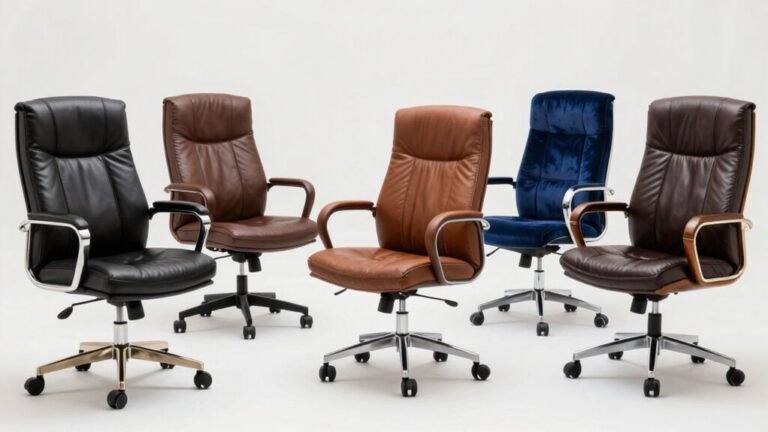
Swap out clunky seats for a sleek faux leather chair in sage or navy, or go bold with a velvet retro swivel.
They’re comfy, they’re chic, and hey, they won’t scream “dining room reject” anymore—phew!
Do Standing Desks Eliminate the Need for Ergonomic Seating?
No, standing desks don’t eliminate the need for ergonomic seating—you’ll still want a comfy, supportive chair.
While standing helps your back and energy, plopping on a dining chair defeats the purpose.
Think of it like shoes: you wouldn’t run a marathon in flip-flops!
Pair your stand-up desk with a proper office chair, and your body will thank you.
Mix it up, stay comfy, and win the workday!
How Often Should I Replace My Office Chair?
You should replace your office chair every 5 to 10 years, depending on how much you use it and how well it’s holding up.
If you’re sitting 8+ hours a day, check for sagging foam, wobbly arms, or casters that won’t roll—your butt’s basically begging for relief!
When fixes cost more than a coffee run, it’s time to upgrade.
Listen to your body, not just the budget.
Can Cushions Make a Dining Chair as Effective as an Office Chair?
Nope, cushions can’t make your dining chair as effective as an office chair—sorry, magic pillow dreams.
They help a bit with comfort and back support, sure, but they won’t fix the height, lack of armrests, or poor posture fit.
You’re still stuck with a chair that’s napping on the job.
For real comfort and health, especially if you’re working all day, your back’ll thank you for upgrading.
Trust me, your spine’s not impressed.
Conclusion
You wouldn’t run a marathon in flip-flops, so why work all day in a dining chair? Upgrading to an office chair is like giving your back a bodyguard and your productivity a pit crew. With proper support, tweakable height, and cushions that last, you’ll sit smarter, not harder. Trust us—your spine will throw a happy dance. Make the switch, and work like you’ve got a throne designed for victory.