Warm vs. Cool Light: Best Color Temperature for Office Work
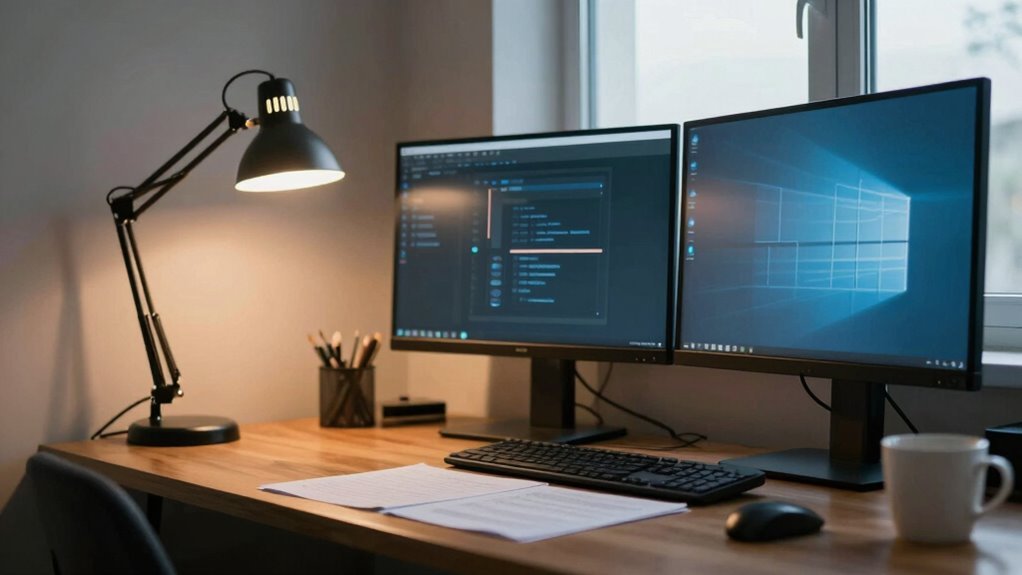
You’re more alert under cool, blue-enriched light—think 5000–6500 K—perfect for crunching numbers or beating deadlines. But when it’s time to brainstorm or chill, warm light (2700–3500 K) calms your mind and sparks creativity. Match your light to your task, and your brain will thank you. Eyes tired? Tune the brightness, avoid glare, and let dynamic lighting keep your energy humming. There’s a smart way to light every part of your day—stick around, and you’ll see how it all clicks.
How Light Affects Alertness and Focus
When the morning fog still clings to your brain, the right kind of light can be like a gentle nudge—or even a playful splash of cold water—from your body’s built-in wake-up crew.
That’s blue-enriched light doing its thing, waking up special cells in your eyes that shout, “Rise and shine!”
It zaps melatonin, revs up your focus, and sharpens reaction time—especially in the daytime.
Bright, cool light amps up alertness, making you feel more awake and on top of your game.
Think faster typing, fewer zoning-out moments.
Just don’t overdo it—too much brightness for too long might leave your eyes tired or your head achy.
And hey, while cool light fires you up, it’s not always the coziest vibe.
Still, for powering through emails or crunching numbers?
It’s your go-to jolt—no coffee needed.
3000 K at 750 lx yielded the lowest mental workload in office tasks.
The Role of Color Temperature in Cognitive Performance
What if the color of your office lights could悄悄 boost your brainpower—without a single extra cup of coffee?
Cooler, bluer light (around 5000–6500 K) often speeds up your reaction time, waking up your brain like a gentle jolt of daylight.
It hits your eyes’ alertness sensors, suppresses sleepy hormones, and ramps up focus—great for quick thinking.
But don’t count out warmer light just yet: sometimes, it helps memory and sustained attention better, especially in relaxed settings.
Your brain isn’t the only one deciding—your age, gender, even mood can sway how light affects you.
And get this: the same light can do different things depending on how bright it’s or how long you’re under it.
This effect is partly due to blue wavelengths suppressing melatonin, which helps regulate alertness and circadian rhythms.
Matching Light to Task Types: Precision vs. Creativity

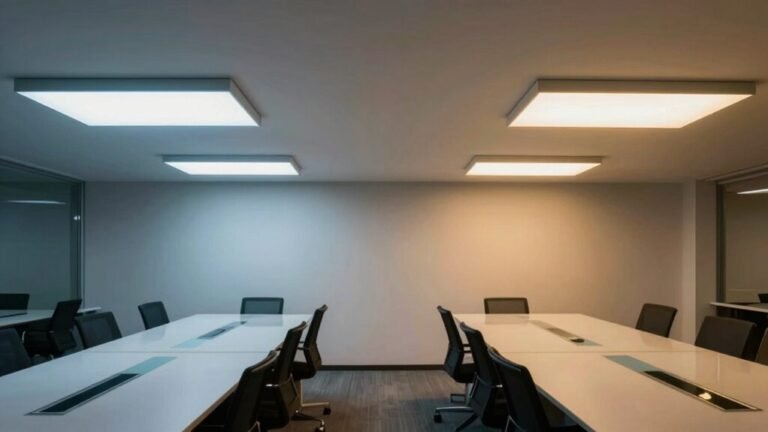
Though your brain doesn’t come with a lighting manual, it definitely knows the difference between a crisp, bright office and a cozy, lamp-lit nook—so why not let your lights match your work mood? When you’re zeroing in on details, cool light (5000–6500 K) keeps you alert, sharp, and ready to catch errors. It’s like daylight in a bulb—perfect for focus-heavy tasks. But when creativity calls, warm light (2700–3500 K) sets a relaxed vibe that helps ideas flow freely, like brain jazz. You wouldn’t write a symphony under stadium lights, right? Cool color improved accuracy in a controlled study, supporting its use for precision work.
| Task Type | Best Light Temp |
|---|---|
| Precision | 5000–6500 K (Cool) |
| Creativity | 2700–3500 K (Warm) |
| Task Switching | Tunable lighting |
Let your lights shift with your thinking—because brilliant work needs the right glow.
Visual Comfort and the Risk of Eye Strain
You’ve got your light tuned just right for the task—crisp and cool for nailing details, warm and cozy when the ideas start flowing—but don’t stop there, because even the perfect color temperature can backfire if your eyes are working overtime.
Cool, blue-rich light sharpens focus but can dry out your eyes, especially if you’re glued to a screen—thanks to fewer blinks and quicker tear evaporation.
Harsh contrasts or glare from bright fixtures? That’s like a pop quiz for your pupils, making them squint and strain.
Even if the CCT feels great, uneven lighting or shiny screen reflections can turn comfort into chaos.
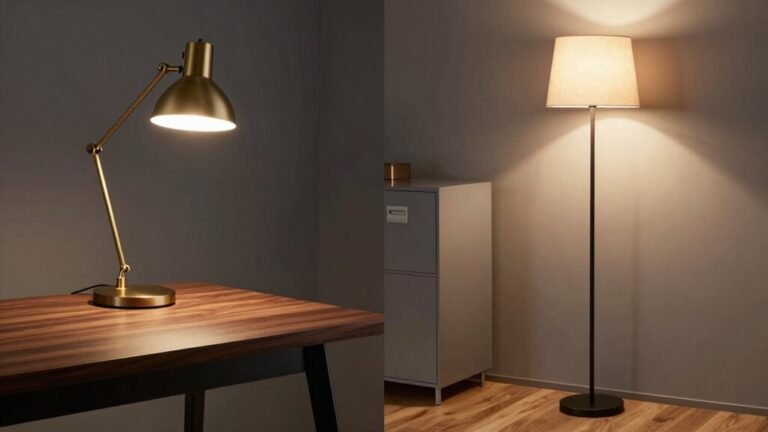
Go for balanced brightness, shielded bulbs, and adjustable lamps to keep things smooth.
Think of your eyes as coworkers—keep them happy, and everyone wins.
After all, nobody likes a light setup that’s *technically* perfect but feels like a spotlight on a late-night talk show.
Circadian Rhythms and Workplace Lighting

Ever wonder why your energy spikes in the morning sun but drags by mid-afternoon, even with extra coffee?
That’s your circadian rhythm at work—your body’s natural 24-hour clock tuned by light.
Morning light, especially blue-enriched light, tells your brain, “Hey, time to wake up!” and boosts alertness.
But flood your office with cool, bright light in the evening?
That tricks your body into thinking it’s still daytime, delays melatonin, and messes up your sleep.
Shift workers know this struggle all too well—mismatched light timing zaps focus and ruins rest.
But good news: office lighting that follows the sun’s rhythm helps.
Cooler, brighter light in the morning sharpens focus, while warmer tones in the afternoon ease you into wind-down mode.
Light up your workspace the smart way, and you’re not just seeing better—you’re feeling better, too.
Who knew your ceiling lights could be such a mood booster?
Benefits of Dynamic and Tunable Lighting Systems
What if your office lights could shift like the sky, keeping you sharp when you need it and calm when it’s time to wind down?
With dynamic, tunable lighting, that’s exactly what happens.
You get cooler, brighter light in the morning (think 4000K—like a crisp sunrise) to wake up your brain, then it eases into warmer tones by afternoon, fighting that 3 p.m. slump.
Workers report feeling 71% more energetic, 76% happier, and way less sleepy.
Productivity jumps up to 18%, focus stays strong, and mistakes drop.
Plus, smart sensors adjust for daylight and motion—no more lights blazing in empty rooms.
It’s like giving your office a circadian rhythm upgrade, saving energy (up to 80% less electricity!) while making your workspace feel alive.
Honestly, it’s lighting that doesn’t just work—it *gets* you.
Designing Zones for Different Work Activities

How does your office lighting shape the way you work?
When you design zones for different tasks, you’re not just lighting rooms—you’re guiding moods and boosting performance.
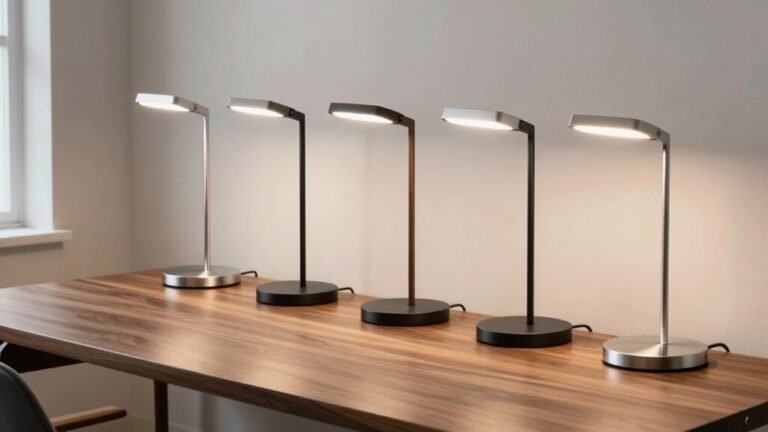
At your desk, go bright: aim for 300–500 lux with cool, alert light, and add a personal lamp that’s three times brighter for tough tasks.
Need focus? Light up to 800 lux has your back.
Brainstorming with the team? Flip to energetic lighting in collaborative areas, then dial it down for chill chats.
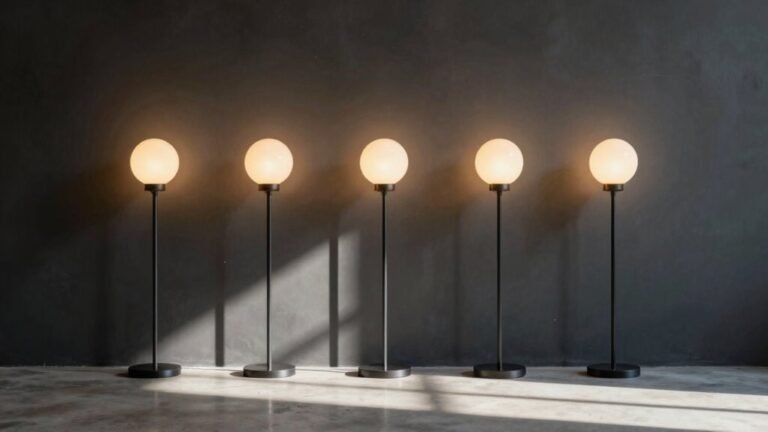
Break rooms? Warm, soft light helps you unwind—think cozy, not fluorescent.
Hallways stay safely lit at 100 lux, while motion sensors save energy.
In open spaces, mix overhead and task lights, tweak color temps, and harvest daylight.
Zoning isn’t just smart—it’s your secret weapon for a workspace that works.
Who knew light could be this fun?
Key Lighting Metrics Beyond Color Temperature
Think your office lighting is just about brightness and color? Think again!
You’ve got CRI to weigh—aim for 90+ if you want colors looking true and natural, like in sunlight.
For tasks, 300–500 lux keeps things comfy, but detailed work? Crank it to 500–1000 lux.
Keep light evenly spread—uniformity around 0.8 avoids harsh contrasts that strain your eyes.
And watch out for glare; keep UGR under 19, or your screens (and coworkers) might start looking extra shiny and annoying.
Clever diffusers help tame brightness, while high-reflective surfaces boost evenness.
And hey, modern LEDs can nail CRI, flicker control, and color quality all at once.
With tools like IES TM-30, you’re not just seeing red—you’re seeing it *right*.
Layer ambient, task, and accent lighting for a setup that’s smart, sleek, and actually enjoyable.
Who knew lighting could be this cool?
Real-World Office Lighting Strategies and Outcomes

- Use blue-enriched, cooler light (5000–6500 K) in mornings or for intense tasks to sharpen focus and speed.
- Switch to warm light (2700–3000 K) in break rooms to help people recharge—your brain will thank you.
- Try tunable systems that shift light tone through the day; they keep circadian rhythms happy and reduce eye strain.
Pair smart color temps with proper brightness, and you’re not just lighting a room—you’re fueling performance, mood, and maybe even a few office high-fives.
Frequently Asked Questions
Can Color Temperature Affect Mood During Evening Shifts?
Yes, color temperature can definitely affect your mood during evening shifts.
Cool, blue-enriched light (like daylight) wakes up your brain, making you feel more alert and focused—great when you’re fighting off sleep.
But too much of it can leave you feeling wired or irritable later.
Warm light feels cozy, like a hug from a lamp, and helps your body wind down.
Finding the right balance keeps your mood steady, your eyes happy, and your energy in check—no emotional rollercoaster needed!
Do LED Color Temperatures Differ From Natural Daylight?
Yeah, LED color temperatures can look like natural daylight but aren’t quite the same.
You flip on a 6500K bulb and yell, “Sunrise!”—funny, right?
But while it mimics the color, the light’s inner recipe has spikey blue peaks and lacks sunlight’s smooth rainbow blend.
That means colors might trick your eyes, and your brain gets a slightly faker dawn vibe than the real sky’s version.
How Does Age Influence Preferred Office Light Warmth?
You tend to prefer warmer, cozier light as you age—your eyes change, after all!
Younger folks often love that bright, crisp cool light, kind of like a jolt of coffee.
But once you hit your 50s or 60s, warmer tones (think golden sunrise) feel more comfortable and easier on the eyes.
It’s not just mood—it’s biology!
Your pupils shrink, lenses yellow, and glare becomes your nemesis.
Are There Energy Efficiency Differences Between Warm and Cool LEDS?
You’ll love this—warm and cool LEDs actually use about the same energy when they’re equally bright.
Yeah, cool ones *look* more efficient on paper thanks to their blue glow, but in real life, matching brightness means matching power use.
So, picking warm or cool won’t save you bucks directly—though going cooler might tempt you to over-light and waste energy.
Smart controls? Now those *really* cut costs.
Can Lighting Color Temperature Impact Team Collaboration Directly?
Yes, lighting color temperature can directly impact team collaboration—you’re more alert under cool, bluish light, which helps during fast-paced tasks, but you’ll feel more relaxed and open in warm, cozy light, boosting creativity and trust.
Switching between the two based on your team’s task keeps everyone engaged, focused, and feeling connected—like a mood ring for your office, but actually useful!
Conclusion
You’ll practically *levitate* with focus under cool light—it’s like espresso for your brain! Warm light? Perfect for cozy brainstorming, unless you’re hunting typos in spreadsheets. Mix both, and your office becomes a lighting superhero, zapping eye strain and crushing afternoon slumps. Seriously, your eyeballs will throw a party. Don’t just light your space—*electrify* it. Bright ideas await!