5 Best SSDs for Fast, Reliable Work File Storage
You’re juggling large video edits, tight deadlines, and cross-platform chaos—so why settle for a drive that can’t keep up? These five portable SSDs deliver fast, reliable work file storage with sustained speeds from 1,000 to over 2,100 MB/s, making them ideal for professionals on the move.
Each drive features rugged builds with durable aluminum shells, ensuring protection against drops and extreme conditions.
With USB-C Gen 2 or Thunderbolt support, they offer seamless connectivity across Mac and Windows systems.
Built-in AES-256 encryption adds a strong layer of security for sensitive project files.
But among these top performers, which one truly balances performance, durability, and real-world versatility without overpromising?
| SanDisk 1TB Extreme Portable SSD | 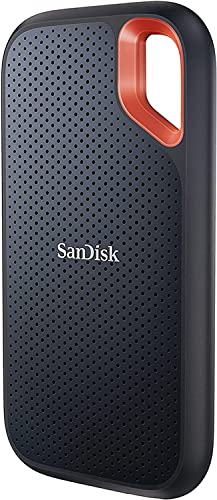 | Rugged Reliability | Read Speed: 1050 MB/s | Write Speed: 1000 MB/s | Capacity: 1TB | VIEW LATEST PRICE | Read Our Analysis |
| Samsung T7 Portable SSD 1TB Gray | 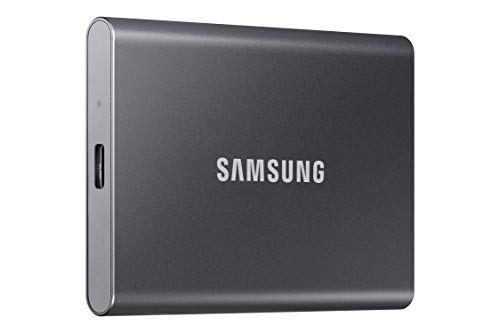 | Speed Standard | Read Speed: 1050 MB/s | Write Speed: 1000 MB/s | Capacity: 1TB | VIEW LATEST PRICE | Read Our Analysis |
| Samsung 990 EVO Plus SSD 2TB PCIe Gen4 |  | Elite Performance | Read Speed: 7250 MB/s | Write Speed: 6300 MB/s | Capacity: 2TB | VIEW LATEST PRICE | Read Our Analysis |
| 1TB Portable SSD for Mac PC iPhone |  | Creator’s Choice | Read Speed: 2100 MB/s | Write Speed: 2100 MB/s (implied ideal) | Capacity: 1TB | VIEW LATEST PRICE | Read Our Analysis |
| Crucial X10 1TB Portable SSD (CT1000X10SSD9-02) | 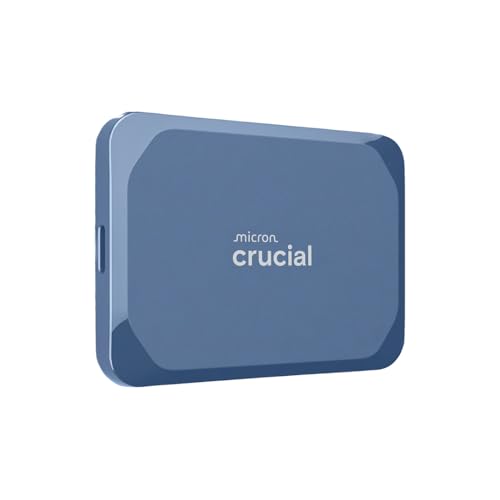 | Budget Speedster | Read Speed: 2100 MB/s | Write Speed: 2100 MB/s | Capacity: 1TB | VIEW LATEST PRICE | Read Our Analysis |
More Details on Our Top Picks
SanDisk 1TB Extreme Portable SSD
If you’re the kind of professional who needs fast, on-the-go file storage—think video editors shuttling 4K footage or photographers backing up shoots in the field—the SanDisk 1TB Extreme Portable SSD is built for your workflow. You’re getting NVMe speeds up to 1050MB/s read and 1000MB/s write (that’s real-world, not theoretical).
All of this comes in a rugged, IP65-rated body that laughs off dust, spills, and drops up to 3 meters—because who actually remembers to baby their gear? The built-in 256-bit AES encryption and password protection keep sensitive files secure.
The carabiner loop (practical touch) lets you clip it to your backpack like a keychain, because yes, you might still lose it—speed’s no excuse for carelessness.
- Read Speed:1050 MB/s
- Write Speed:1000 MB/s
- Capacity:1TB
- Interface:USB-C, USB 3.2 Gen 2
- Drop Resistance:Up to 3 meters
- Compatibility:PC, likely Mac (inferred via USB-C)
- Additional Feature:256-bit AES hardware encryption
- Additional Feature:Password protection
- Additional Feature:Carabiner loop included
Samsung T7 Portable SSD 1TB Gray
You’re hitting transfer speeds up to 1,050 MB/s read and 1,000 MB/s write—thanks to PCIe NVMe architecture and USB 3.2 Gen 2. If you’re editing 4K 60fps video or shuttling large project files between devices, this isn’t just convenient, it’s a time-saving powerhouse.
Almost twice as fast as the T5, it handles heavy-duty tasks like gaming, blogging, or iPhone 15 Pro Res 4K recording with ease. Yeah, your phone’s footage goes straight here.
With a sleek, shock-resistant aluminum body and 6-foot drop protection, it’s as durable as it is compact. You’re getting 1TB of reliable, in-house-engineered storage from the world’s top flash memory brand since 2003.
- Read Speed:1050 MB/s
- Write Speed:1000 MB/s
- Capacity:1TB
- Interface:USB 3.2 Gen 2
- Drop Resistance:Up to 6 feet (~1.8 meters)
- Compatibility:PC, mobile devices
- Additional Feature:Records 4K 60fps video
- Additional Feature:In-house firmware, DRAM, NAND
- Additional Feature:Aluminum unibody design
Samsung 990 EVO Plus SSD 2TB PCIe Gen4
The Samsung 990 EVO Plus SSD 2TB PCIe Gen4 stands out as a top-tier choice for professionals who routinely handle large work files—think 4K video editors, 3D modelers, and data analysts—where speed, endurance, and reliability aren’t just perks but necessities. You’re getting blazing reads up to 7,250 MB/s and writes up to 6,300 MB/s, thanks to cutting-edge NAND and Intelligent TurboWrite 2.0.
Its M.2 2280 form fits most modern rigs and supports PCIe 4.0 x4, while also being backward compatible with 5.0 x2. The nickel-coated controller keeps thermals down without throttling, ensuring sustained performance under heavy workloads.
With HMB technology and Magician software, the drive delivers optimized performance and user-friendly management. Built-in encryption adds a layer of security, so you’re not just fast—you’re smart, too.
- Read Speed:7250 MB/s
- Write Speed:6300 MB/s
- Capacity:2TB
- Interface:PCIe 4.0 x4
- Drop Resistance:Not specified
- Compatibility:PCIe-compatible systems (desktops/laptops)
- Additional Feature:Nickel-coated controller
- Additional Feature:HMB Technology support
- Additional Feature:Magician Software included
1TB Portable SSD for Mac PC iPhone
Who wouldn’t want to sling 4K 120fps HDR footage from an iPhone or Android straight to a pocket-sized drive at 2100 MB/s—assuming your laptop or tablet supports USB 3.2 Gen 2×2 or Thunderbolt 4/5, of course?
You’re not just getting speed—you’re getting plug-and-play freedom across Mac, PC, iPad Pro, Android, and even consoles like PS5 or Xbox.
That slim 2.85 × 1.52 × 0.40-inch aluminum shell shrugs off drops and water, while NVMe + premium NAND pushes real-world speeds near 2100 MB/s (with compatible gear).
True, older USB ports will slow things down, and you’ll lose ~7–10% usable space—but for creators backing up footage on-set or shuttling files between devices, this tiny tank delivers serious power without the bulk.
- Read Speed:2100 MB/s
- Write Speed:2100 MB/s (implied ideal)
- Capacity:1TB
- Interface:USB 3.2 Gen 2×2 / Thunderbolt 4/5
- Drop Resistance:Drop-proof (no distance specified)
- Compatibility:Windows, Mac, iPad Pro, Android, Linux, PS4, PS5, Xbox
- Additional Feature:4K 120fps HDR recording
- Additional Feature:SMART monitoring
- Additional Feature:Ultra-slim pocket-sized design
Crucial X10 1TB Portable SSD (CT1000X10SSD9-02)
Fast, reliable work file storage like the Crucial X10 1TB Portable SSD (CT1000X10SSD9-02) is a student’s, creator’s, or gamer’s quiet ally when deadlines loom and projects pile up. With 2100 MB/s read speeds, it shrinks transfer times from minutes to seconds.
You’ll move 4K footage or massive game files in a flash. Its IP65-rated dust and water resistance, plus durability from 9.8 ft (3 m) drops, ensures performance even in tough conditions.
The matte blue exterior resists scratches and fits easily in a pocket. USB-C and USB-A compatibility lets it work seamlessly across Windows, Mac, iPad Pro, Chromebooks, Android, Linux, PS4, PS5, and Xbox.
You get 1TB of space for photos, videos, backups, or work files. Plus, enjoy bonus Mylio Photos (3 months) and Acronis True Image for easy organization and cloning.
- Read Speed:2100 MB/s
- Write Speed:2100 MB/s
- Capacity:1TB
- Interface:USB-C, USB-A
- Drop Resistance:9.8 ft (3 m)
- Compatibility:Windows, Mac, iPad Pro, Android, Linux, PS4, PS5, Xbox
- Additional Feature:Matte blue exterior
- Additional Feature:3 months Mylio Photos
- Additional Feature:Acronis True Image included
Factors to Consider When Choosing SSDs for Work Files

You’re after an SSD that won’t bog down your workflow, so you’ll want to weigh speed and performance—especially read/write rates up to 2,000 MB/s or more—against your actual storage capacity needs, which could range from 500GB for light editing to 4TB if you’re juggling 4K video timelines. Let’s be honest, how often do you actually back up your files? That’s why durability and reliability, think shock resistance and MTBF ratings over 1.5 million hours, matter just as much as compatibility with your laptop or desktop—whether it’s USB-C, Thunderbolt 4, or SATA-based. And while portability and sleek design look great on your desk or in your bag, ask yourself: is that slim aluminum chassis worth it if it overheats during long transfers?
Speed and Performance
When your work files demand quick access and smooth transfers, speed becomes less of a luxury and more of a necessity—especially if you’re juggling large video edits, complex design files, or bloated datasets. You’ll want NVMe SSDs over USB-C Gen 2 for around 1,050 MB/s read, but why stop there?
If your system supports PCIe Gen4 x4, M.2 drives can hit up to 7,250 MB/s read and 6,300 MB/s write—fast enough to make old SATA SSDs look sluggish. Thunderbolt 4/5 or USB 3.2 Gen 2×2 ports push speeds near 2,100 MB/s, doubling what basic USB 3.2 Gen 2 offers.
Just remember: without solid thermal management, your drive might throttle when it heats up. And what’s the point of peak speeds if your interface can’t keep up?
Look for drives with Intelligent TurboWrite 2.0 or HMB—they help maintain performance during marathon workflows.
Storage Capacity Needs
Now that you’ve got blistering speeds dialed in—think 7,250 MB/s reads on PCIe Gen4 x4 or even 2,100 MB/s over Thunderbolt 4—you might be tempted to max out on performance alone. But here’s the catch: all that speed means nothing if you run out of space halfway through rendering a 4K timeline.
Start by measuring your current work files and backlog, then multiply that by 2–3x to cover growth, backups, and those surprise-large raw video files. Because who hasn’t underestimated a 12-minute 6K clip?
Aim for 1TB if you dabble, 2–4TB for active projects, or 4–8TB if you juggle media libraries like a pro. Keep 10–20% free for system headroom so your SSD doesn’t choke on file management.
Separate active work from archives—your current edit doesn’t need to compete with last year’s deliverables for space. This keeps performance consistent and workflow organized.
Durability and Reliability
Build confidence in your workflow not just with speed and capacity, but with the quiet assurance that your data won’t vanish because your drive couldn’t handle a clumsy drop on the studio floor. Most portable SSDs boast around 3-meter drop protection (roughly 6 feet), a solid cushion for everyday accidents, though no one’s suggesting you test the limit like a daredevil with a deadline.
You’ll also want drives with rugged enclosures and shock resistance, since bumps during transit can silently compromise weaker units. Some models go further, offering IP65 ratings that shield against dust and sustained water jets—handy if you’re editing near a beach or caught in a downpour.
And while physical toughness matters, don’t overlook internal safeguards: built-in error correction and ongoing health monitoring quietly catch issues before they become catastrophes. You’re not just storing files—you’re protecting time, effort, and peace of mind.
Compatibility With Devices
You’ve got your data armored against drops, dust, and digital decay—so why let it sit trapped on a drive that only plays nice with half your gear? You’re juggling a Windows laptop, a MacBook, maybe a Linux box or an Android tablet—so grab an SSD that supports Windows, macOS, Linux, ChromeOS, even iPadOS.
USB-C is non-negotiable; pair it with USB-A backward compatibility (via adapter) so you’re not fumbling in meetings. Look for USB 3.2 Gen 2 (10 Gbps), Gen 2×2 (20 Gbps), or Thunderbolt 4/5—if your ultrabook or desktop dares to keep up.
Some drives even plug straight into USB-C cameras or projectors, skipping your laptop entirely. And if the brand offers cross-platform software for backups or health checks on all those OSes? Even better.
It’s not magic—it’s just smart compatibility—so your files move as fast as you do.
Portability and Design
Slip it in your pocket, clip it to your backpack, or toss it in your laptop sleeve—modern SSDs weigh just 0.03 pounds and measure a mere 2.85 × 1.52 × 0.40 inches, so they vanish into your daily carry without sacrificing durability.
You’ll appreciate the rugged, all-metal or nano-coated builds that shrug off dust, water, and drops from over two meters—because let’s be honest, who hasn’t fumbled a drive mid-rush? Some models even include a carabiner loop, letting you clip it to your belt or bag like a keychain (though you’ll still need to remember it’s there—tiny doesn’t mean theft-proof).
Their slim profile slips neatly beside your laptop without adding bulk, while USB-C Gen 2×2 or Thunderbolt interfaces deliver lightning-fast transfers—up to 2,000 MB/s—without tethering you to a desk. Portability? Check. Performance? Check. Style? Well, you won’t win fashion awards, but it’s functional minimalism at its best.
Security Features
While speed and portability often steal the spotlight, you can’t afford to overlook security when your work files ride in your pocket. Modern SSDs pack hardware-accelerated256-bit AES encryption that locks data at rest without slowing transfers much—we’re talking sub-2% performance hit on average.
You get peace of mind knowing encryption keys live in the drive’s hardware, not your system, reducing risks if your device gets compromised. Set a strong password, and the drive stays locked until you authenticate—no easy backdoors.
Sure, some vendor tools offer extra encryption modes or key management, but they shouldn’t replace the drive’s built-in safeguards. You might notice slight quirks, like a fraction less available space or barely-there speed dips, but that’s the cost of robust protection.
Isn’t it worth a few minor trade-offs to keep sensitive files safe if your SSD vanishes? After all, encryption’s only as good as its weakest link—and with hardware-based security, you’re no longer that link.
Frequently Asked Questions
Can I Use These SSDS for Gaming?
Yes, you can use them for gaming. They give you fast load times, quick boot-ups, and smooth performance. You’ll jump into games faster and enjoy seamless play, especially with large or high-quality titles. They handle everything you throw at them.
Do These SSDS Require External Power?
No, you don’t need external power—98% of modern internal SSDs run directly off your motherboard’s power. You’ll plug them in and go, no extra cables needed. Just install and start using them right away for faster, reliable storage.
Are These SSDS Compatible With Older Computers?
Yes, you can use these SSDs with older computers. They work via SATA or USB adapters if needed, so you won’t need the latest motherboard. Just check your ports and connections to make sure they match what your system supports.
How Do I Encrypt Data on These SSDS?
You lock your data in seconds—just enable BitLocker on Windows or FileVault on macOS. Plug in the SSD, follow the prompts, and breathe easy. It’s encrypted now. No one’s getting in without your password.
Can I Daisy-Chain Multiple SSDS Together?
You can’t daisy-chain SSDs like displays, but you can connect multiple via USB hubs or Thunderbolt ports. Use enclosures or adapters to link them to your system and manage each drive separately for expanded, fast storage.
Conclusion
So, you’ve got speed—up to 2,100 MB/s—and toughness, with aluminum shells shrugging off drops (up to 2 meters, sure, but still). You’ve got encryption, cross-platform USB-C/Thunderbolt access, and 1TB to 2TB options—what more could you reasonably ask for? Is lightning-fast, drop-resistant storage *too* convenient? Maybe. But when deadlines loom, you’ll thank yourself for the 0.5-second file saves, not wonder.