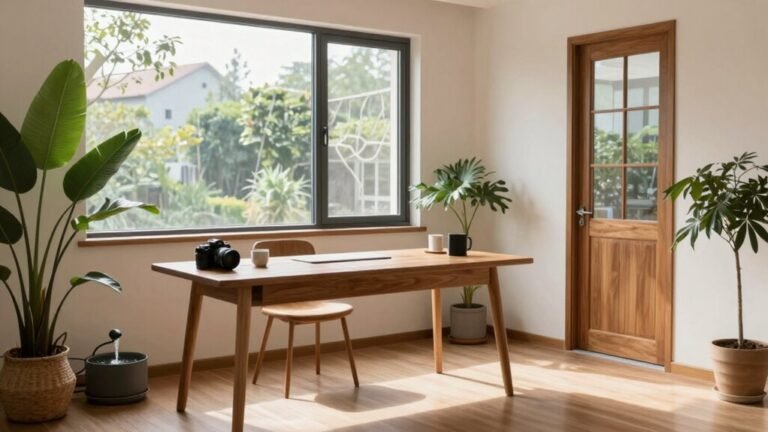
Real vs. Artificial Plants: Which Is Best for Your Office?
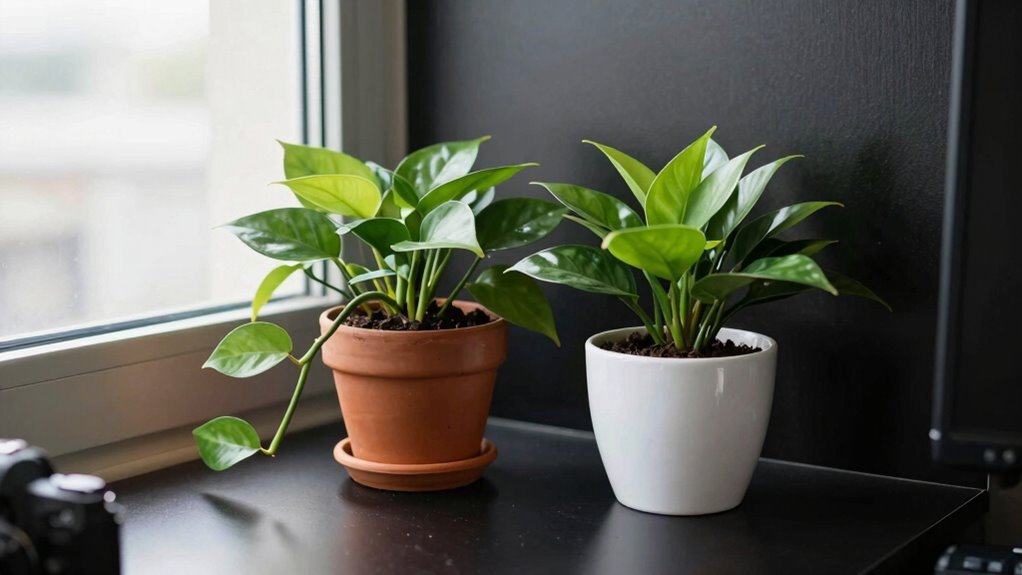
Real plants bring life to your office with their subtle glow, natural sway, and air-cleaning superpowers—they even boost mood and focus. But let’s be real, they need care, light, and the occasional plant therapist. Artificial ones? Low-maintenance champs that thrive in dark corners and survive your longest meetings. They won’t purify air or pet you back, but they look great without fuss. Pick your green champion based on your vibe, workload, and how much drama you want in your decor—there’s a perfect fit waiting.
Visual Appeal and Design Realism
Walking into an office filled with lush greenery, you can’t help but notice how real plants seem to breathe life into the space—literally and visually.
Their leaves catch the light with a soft translucence, casting dappled shadows that dance in the breeze—no fan required (though maybe one for drama).
Real foliage has tiny imperfections—veins, curls, a subtle matte-gloss combo—that scream authenticity.
Faux plants? They often look a little too perfect, like they’re trying too hard.
Even the high-end ones can feel stiff or reflect light like plastic party decorations.
Over time, dust makes them look tired—kind of like Monday mornings.
Real plants grow unevenly, add new shoots, and even sway gently, giving them a lively charm.
Preserved plants come close in texture, but nothing beats the depth of living color shifts and organic shapes.
Honestly, real plants don’t just sit there—they *perform*.
They also foster a stronger psychological connection to nature, which studies show can enhance mood and focus—especially when compared to artificial alternatives real plants show the strongest positive mood and stress reduction.
Maintenance Effort and Long-Term Costs
Ever wonder why some offices have flawless greenery while others look like a plant graveyard? If you skip the drama of watering schedules, bugs, and dead leaves, artificial plants are your stress-free heroes—just dust ‘em now and then and done! No need to panic over sunlight or humidity, and you’ll never kill another “un-killable” fern.
Real plants, though? They’re high-maintenance roommates. You’ve got to water, feed, prune, and even hire pros to keep them happy.
Over time, that adds up—think supplies, replacements, and labor costs.
But fakes? Once they’re in, you’re golden. Sure, the upfront cost might sting a little, but they save you cash (and sanity) long-term. Lower long-term cost makes artificial plant walls a financially smarter choice for businesses focused on budget efficiency.
Impact on Air Quality and Employee Wellbeing

| Feature | Real Plants | Artificial Plants |
|---|---|---|
| Air purification | Removes small VOC amounts | None |
| Humidity control | Slight local boost | No effect |
| Allergen risk | Possible (mold, pollen) | Low (but dust collects) |
| Maintenance impact | Needs care to stay healthy | Just wipe and relax |
You’re not just decorating—you’re choosing vibes *and* wellbeing! Studies show that real plants can improve cognitive function and reduce stress, with biophilic design supporting employee well-being in modern workplaces.
Adapting to Challenging Office Environments
How do you keep your office green when the environment fights against life itself?
You don’t need sunlight, watering schedules, or luck—just smart choices.
If your space is dim, windowless, or tucked in a basement, artificial plants thrive where real ones quit.
No grow lights, no drama—just vibrant greenery, day in and day out.
They laugh at temperature swings, mock poor ventilation, and stay perfect in high-traffic zones where spills and bumps are daily occurrences.
Need something up high or hard to reach?
Skip the ladder wars—artificial plants don’t care if you forget them for months.
They’re tough, tidy, and always on display, even in corners that feel like plant purgatory.
With zero need for airflow or fuss, they’re the low-key heroes of office decor.
Who knew resilience could look this good?
Managing Allergies and Health Considerations

What if your office plants were secretly plotting against your health? While real plants like snake and spider plants clean indoor air and boost mood, they might also trigger allergies with pollen or mold in damp soil—especially risky for the 5–10% sensitive to mold or latex.
Poor maintenance can invite dust mites or worsen symptoms, turning your green oasis into a sneeze zone.
But here’s the fix: choose low-allergen plants ranked on the OPALS scale, keep them clean, and limit their numbers.
Better yet, go artificial—no pollen, no mold, no drama.
Fake plants won’t purify air like NASA-approved greens, but they’re perfect for allergy-prone spaces.
Pair them with HEPA filters, regular cleaning, and good ventilation to keep allergens at bay.
You can have beauty without the sniffles, so your office stays fresh, healthy, and hilariously sneeze-free.
Win-win!
Installation Flexibility and Creative Possibilities
You’ve got your office breathing easy with allergen-smart greenery choices, but now let’s have some fun—because when it comes to design, fake plants aren’t just sitting pretty, they’re breaking rules and bending space.
You can toss a jungle onto the ceiling, tuck vines behind signage, or drape a moss waterfall down a blank wall—no water, no soil, no problem.
They thrive in dark corners, breezy lobbies, or that weird nook by the elevator where even cacti would quit.
Lightweight and low-drama, faux plants let you hang, flip, or stack greenery like living art.
Need a green wall in a server room? Go for it.
Swapping styles for a new campaign? Just swap the plants—no waiting for roots to grow.
They’re like LEGO for grown-ups who love design but hate plant funerals.
With zero sunlight cravings and way fewer tears, your office’s look gets way more exciting—and way less fussy.
Environmental Impact and Sustainable Choices

While you’re loving the lush look of greenery in your office, it’s worth peeking under the leaves at how your plant choices affect the planet.
because when it comes to sustainability, real and fake each come with their own baggage, both seen and hidden.
Real plants sip water and scrub the air, but guzzle resources if you’re shipping them cross-country or replacing them every few months.
Fake plants never wilt, but they’re born from fossil fuels, come with a carbon punch, and usually end up in landfills—where they’ll outlive your grandkids.
That trendy plastic palm might seem eco-friendly until you realize it took more energy to make than a live plant uses in a lifetime.
Go local, low-water, and long-lived: a snake plant or pothos beats both a thirsty orchid and a dusty faux ficus any day.
Choose smart, breathe easy, and let your office greenery grow on the planet—kindly.
Frequently Asked Questions
Can Artificial Plants Be Recycled at End of Life?
Yeah, you can recycle artificial plants, but it’s tricky.
They’re made of mixed plastics, wires, and glues that don’t just go in your curbside bin.
You’ll need to disassemble them by hand—ugh, right?—and check local rules.
Some specialty programs or brands take them back, and yep, there are even crafty ways to upcycle the bits.
It’s not easy, but with a little hustle, you can keep them out of the landfill.
Go you!
Do Real Plants Increase Productivity in Creative Workspaces?
Yeah, real plants really do boost productivity in creative workspaces.
You’ll think faster, solve problems better, and come up with wilder ideas—literally.
Studies show you’re 15% more productive and way more creative with greenery around.
Plants keep your brain fresh, cut stress, and make your space feel alive.
Honestly, your next big idea might just sprout from a fern.
Are Faux Plants Safe for Pets in Office Environments?
Yes, faux plants are safe for pets in office environments, as long as you pick the good ones—think jungle explorer choosing real gems over fake treasure.
You skip the drama of chewed leaves or midnight soil spills, keep your decor lush, and your pup won’t need an emergency vet trip.
High-quality, non-toxic picks mean happy pets, zero stress, and greenery that’s always camera-ready—no photosynthesis required.
Can I Mix Real and Artificial Plants Seamlessly in One Design?
Yes, you can totally mix real and artificial plants—it’s a smart, stylish move!
Pair lush live greens with lifelike faux ones in tough spots, and nobody’ll guess which is which.
Use real plants where light’s great and faux in dim corners or high shelves.
Add cool pots, varied textures, and a cheeky succulent or two.
Boom—your office feels fresh, lively, and totally *you*, with way less drama than a workplace soap opera.
Do Artificial Plants Lose Color When Exposed to Sunlight Indoors?
Yes, your artificial plants can definitely lose color when sitting in sunlight indoors—no magic trick, just science!
UV rays sneak through windows and break down dyes, especially in bright reds and blues.
Without UV protection, you’ll see fading fast, like a sad highlighter.
But don’t panic!
Place them away from direct sun, rotate them like a pro, or pick UV-treated ones.
Voilà—vibrant fakes all year!
Conclusion
You’ve walked through lush jungles and dusty desktops, weighing green against green. Now, picture your office: thriving, breathing, alive—whether rooted in soil or clever design. Both real and fake plants bring magic, like fairy tales with leaves. Choose wisely, laugh often, and let your space grow wild, easy, and unapologetically *you*. After all, even plastic ferns dream of sunshine.