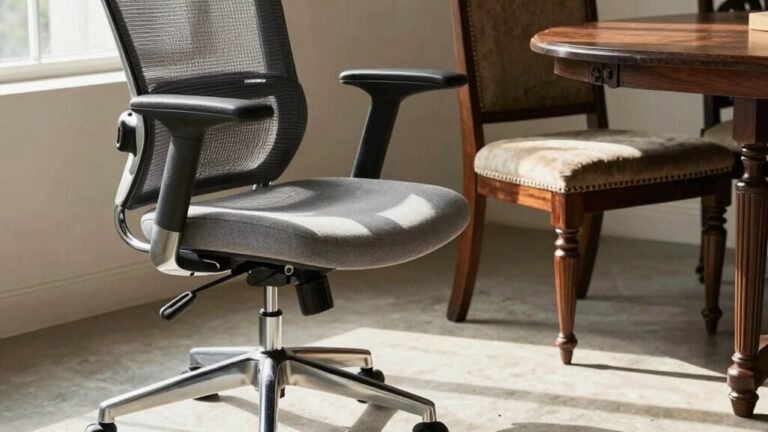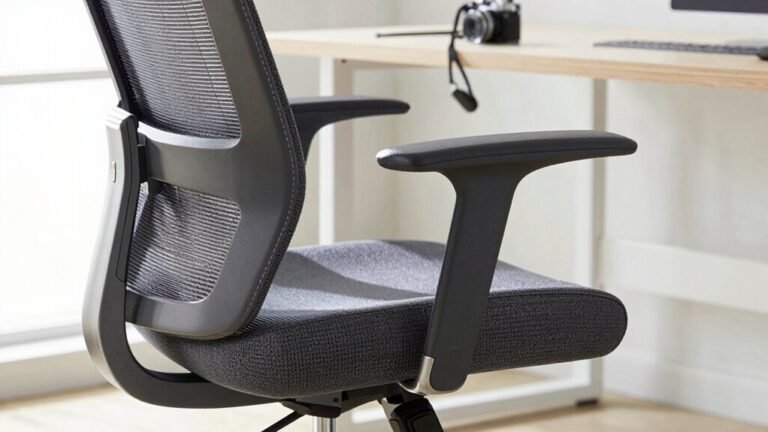
Are Expensive Office Chairs Worth the Investment?
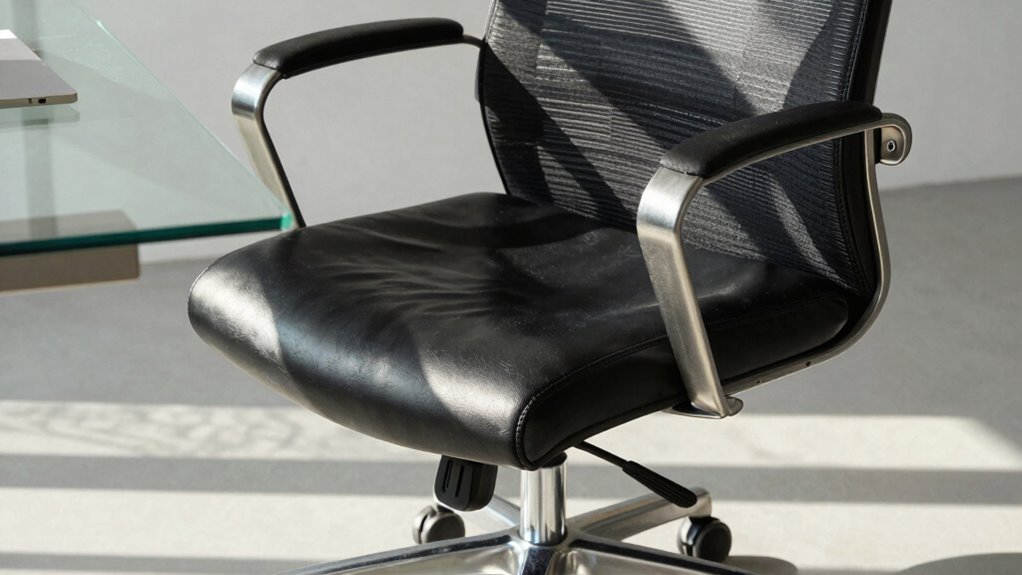
You’re not just buying a chair—you’re investing in fewer aches, better focus, and more energy all day. Ergonomic chairs slash back pain by up to 75%, boost productivity nearly 18%, and can pay for themselves in under a year. With comfy support, smart adjustability, and rock-solid builds, they’re the unsung heroes of work-life comfort—think of them as your spine’s best friend. Stick around, and you’ll see exactly how they transform your workday.
Understanding the Health Benefits of Ergonomic Seating
Sitting smart today could save you from tomorrow’s ache-and-pain show—seriously, your back will thank you.
You’re not just dodging backaches; you’re cutting your risk of neck and shoulder pain by up to 75%.
Imagine this: 4,000+ workers felt better fast after switching to ergonomic chairs—no magic, just smart design.
You’ll slash discomfort by over half, especially if your chair’s got a headrest (hello, 54% less back pain!).
No more feeling like a pretzel by 3 p.m.
You’re also boosting blood flow, which means more brain power and less “why am I so tired?”
And get this—fewer aches mean fewer sick days.
You’ll dodge chronic issues like herniated discs before they even whisper your name.
Your wallet will smile too, thanks to lower medical costs.
Improved circulation helps maintain oxygen flow to the brain and reduces the risk of varicose veins.
How Adjustability Supports Proper Posture and Comfort
Ever wonder why your chair feels like it’s working against you by noon?
Well, adjustable features are your secret weapon for staying comfy and aligned all day.
When you tweak the seat height, your feet plant flat, knees at a comfy 90°, and eyes line up perfectly with your screen—no more neck craning, promise.
Need to switch from flats to heels? No problem—adjustability’s got your back, literally.
Lumbar support you can move? Yes, please.
It hugs your lower back just right, so you don’t slump or strain.
Seat depth that fits your legs? Praise.
No more leg numbness or pressure behind the knees.
And armrests you can dial in? Absolute game-changer—your shoulders stay relaxed, wrists stay neutral.
With all these tweaks, you’re not just sitting—you’re sitting smart, feeling good, and actually looking forward to your next work session.
Proper support minimizes lower back pain and helps maintain natural spine alignment, reducing long-term strain.
The Role of Chair Design in Reducing Musculoskeletal Strain

Who knew your chair could be a stealthy superhero for your spine? With the right design, it’s got your back—literally.
Adjustable lumbar support keeps your lower back in a neutral pose, reducing strain and disc pressure like a champ. If it fits your body, it helps you sit taller and avoid that slumped, turtle-like frown.
Seat pans that tilt slightly forward? They nudge your pelvis into alignment, easing stress on your spine and legs. Proper width and cushioning keep circulation happy, so your thighs don’t scream during marathon work sessions.
Contoured backrests give your shoulders room to breathe, cutting neck and upper back fatigue. And when armrests actually support your arms, your trapezius muscles throw a silent party.
Poor design, though, can turn a chair into a supervillain—so pick wisely. Your body will thank you, one pain-free day at a time.
Design 7 ranked highest in comfortability in a study of 15 office chair designs, highlighting how critical design is in delaying discomfort and muscle fatigue.
Productivity Gains Linked to Ergonomic Work Chairs
While your coffee might kickstart your morning, it’s your chair that could be the real MVP behind your productivity.
You’re not just sitting—you’re working smarter when your seat supports good posture and movement.
Studies show ergonomic chairs, especially with training, boost output by up to 17.8%, whether you’re fielding calls or crunching numbers.
That’s like getting nearly two extra workdays of output each week—without加班.
Comfortable workers stay focused, distracted less by aching backs or stiff necks, and that sharp focus adds up.
One review found ergonomic setups lift productivity by about 15%, and some companies see gains as high as 20%.
It’s not magic—it’s design that lets your body work *with* your brain, not against it.
So yes, that sleek, adjustable chair? It’s not just plush—it’s powerful.
Who knew sitting could do so much heavy lifting?
Measuring the Return on Investment for Premium Chairs

What if the chair you’re eyeing for your home office could actually pay for itself? Well, it might—thanks to resale value, health savings, and fewer sick days.
Premium chairs hold up to 50% of their value and sell faster, especially if they’re cleaned and come with warranty perks.
You’re not just buying comfort—you’re dodging costly back injuries, which means lower insurance and fewer doctor visits.
Ergonomic seating slashes MSD claims by up to 32%, keeps folks working pain-free, and cuts absenteeism by nearly 70%.
Plus, happy employees stick around, saving you thousands in hiring headaches.
With payback periods as short as eight months and returns of $3–$15 for every dollar spent, this isn’t just a chair—it’s a savvy investment that keeps earning.
Who knew sitting could be so profitable?
Breaking Down the Costs: Upfront vs. Long-Term Value
- A $150 chair lasting 2 years runs $75/year.
- A $399 chair over 5 years? Just $79.80/year.
- Premium models ($450+) last 5–10 years with fewer replacements.
- Cheap chairs risk medical bills and lost productivity.
You’re not just buying a seat—you’re investing in days where standing up doesn’t feel like a workout.
Smart move, right?
Key Features That Drive Higher Price Points

Ever wonder why some office chairs cost more than a month’s worth of lattes?
Well, you’re not just paying for looks—you’re getting serious upgrades that turn sitting into science.
Think adjustable lumbar support that hugs your back just right, or armrests that move every which way to cradle your arms like they’re made just for you.
Fancy a recline? Premium chairs let you tilt, lock, and bounce back with ease, keeping your spine happy during long work binges.
You can even tweak the seat depth—yes, really—so your legs don’t dangle like you’re on a kid’s chair.
With headrests, custom fits, and flexy backs that move when you do, these features add up.
Sure, it’s pricier, but your body will thank you—no nap needed.
Evaluating Materials, Build Quality, and Durability
Feel that? When you sink into a well-built chair, you’re not just sitting—you’re being supported, cooled, and cradled like a prized avocado.
Don’t be fooled by flashy looks; what’s underneath matters.
You want materials and construction that last, not fall apart by lunchtime.
Here’s how to spot the champions:
- High-density, CertiPUR-US® foam stays springy for years, not flat by Friday.
- Steel or aluminum frames laugh at daily wear, unlike flimsy plastic that cracks under pressure.
- Tightly woven mesh or genuine leather breathes easy and ages gracefully—no sagging or weird shine.
- Abrasion-resistant fabrics (hello, 30,000+ Martindale rubs) shrug off friction like a boss.
Skimp now, cry later. Invest in build quality, and your back—and butt—will thank you. Who knew sitting could be *this* smart?
Navigating Market Trends and Consumer Choices

What if the secret to crushing your workday isn’t a triple-shot espresso but the chair you’re sitting on?
You’re not alone—everyone from startups to big corps is betting on better seats.
The ergonomic chair market’s booming, projected to hit nearly $19 billion by 2032, and you’ve got options.
North America leads with fancy executive chairs, while Asia-Pacific races ahead, fueled by co-working spaces and tech growth.
You’ll see smart chairs with posture sensors, eco-friendly materials, even ones that track your slouching like a nosy fitness coach.
Businesses are snapping them up—over 60% of ergonomic sales go to enterprises craving healthier, happier teams.
And hey, why not rent one? Subscription models are on the rise.
Whether you’re WFH or in-office, the market’s shifting to meet your habits.
So go ahead—sit smart, not hard.
Your back (and boss) might just thank you.
Matching Chair Features to Your Work Habits and Needs
- Seat height and depth – Adjust so your feet lie flat and knees stay at 90–110°, no dangling or squishing.
- Lumbar and armrest support – Tweak them so your back’s hugged right and elbows float at 90°, not hiked to your ears.
- Tilt and mobility – Pick multi-tilt for dynamic moves, smooth casters for glide-and-go energy.
- Cushioning and build – Match foam density to your marathon sessions, and size the frame to your frame—no wobbles, no sags.
Nail these, and your chair stops being furniture—it becomes your workday wingman.
Frequently Asked Questions
Do Expensive Chairs Last Longer Than Cheap Ones?
Yeah, expensive chairs do last way longer than cheap ones—you’re not just buying a seat, you’re investing in years of comfy work sessions.
They use tougher materials, better support, and top-tier parts that won’t wobble or collapse after a few months.
Think metal instead of plastic, premium mesh that breath
Can Ergonomic Chairs Help With Sciatica or Hip Pain?
Yes, ergonomic chairs can definitely help ease your sciatica or hip pain.
You’ll love how adjustable lumbar support and seat depth keep your spine happy and reduce nerve pressure.
With the right fit, you’ll sit comfy, avoid numbness, and stop that “uh-oh” piriformis pinch.
Throw in cushioning and tilt features, and boom—your back throws you a thank-you party!
Are There Eco-Friendly or Sustainable Ergonomic Chair Options?
Yes, you absolutely can sit like a king while saving the planet! Imagine plopping down into a chair made from recycled bottles or old furniture—seriously, Emeco turns plastic waste into sleek seats. You’ll love that Noho ships sustainably and powers factories with renewables. Fully and Knoll deck out chairs in FSC wood and non-toxic finishes, so you’re comfy *and* eco-proud. Green luxury? Totally real. And hey, your back—and Earth—will thank you every single day. Who knew responsibility could feel this good?
How Do I Know if a Chair Fits My Body Correctly?
You know a chair fits when your feet plant flat, knees bend at 90 degrees, and your back hugs the lumbar support like it’s made for you.
Slide in—there should be a fist’s space behind your knees.
Arms rest gently at 90 degrees, shoulders relaxed.
If you’re not dangling or squished, congrats—you’re not just sitting, you’re *seated like a boss*.
Do Ergonomic Chairs Make Noise During Use, Like Squeaking?
Yeah, ergonomic chairs can squeak, but don’t panic—it’s usually fixable.
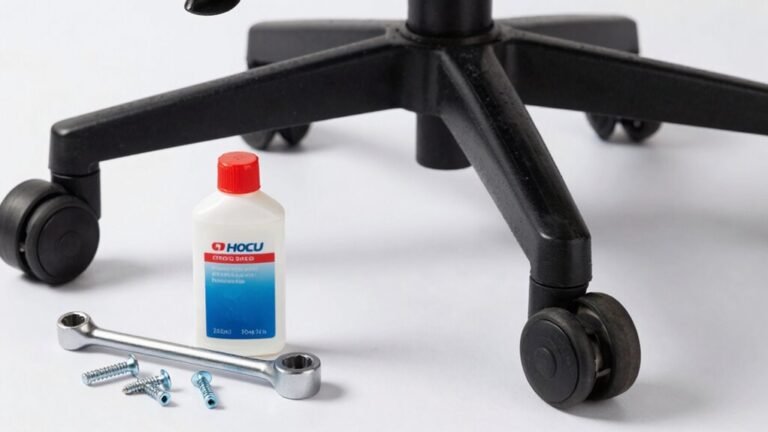
If yours creaks when you move, it’s likely from loose screws, grit in the joints, or parts needing lube.
Think of it like a bike: tighten the bolts, spray some silicone on pivots, and voilà—quiet mode activated!
Even fancy chairs aren’t squeak-proof, but they often last longer and stay smoother with basic love and care.
Conclusion
You’ve probably slouched in a cheap chair and felt like a crumpled potato by 3 p.m.—we’ve all been there. But here’s the magic: a great ergonomic chair doesn’t just feel fancy, it keeps your back happy, your posture proud, and your focus fired up. Think of it as a high-five for your spine. Yeah, it costs more, but when you’re sitting taller, working better, and not cursing your lower back, it’s not an expense—it’s a win.